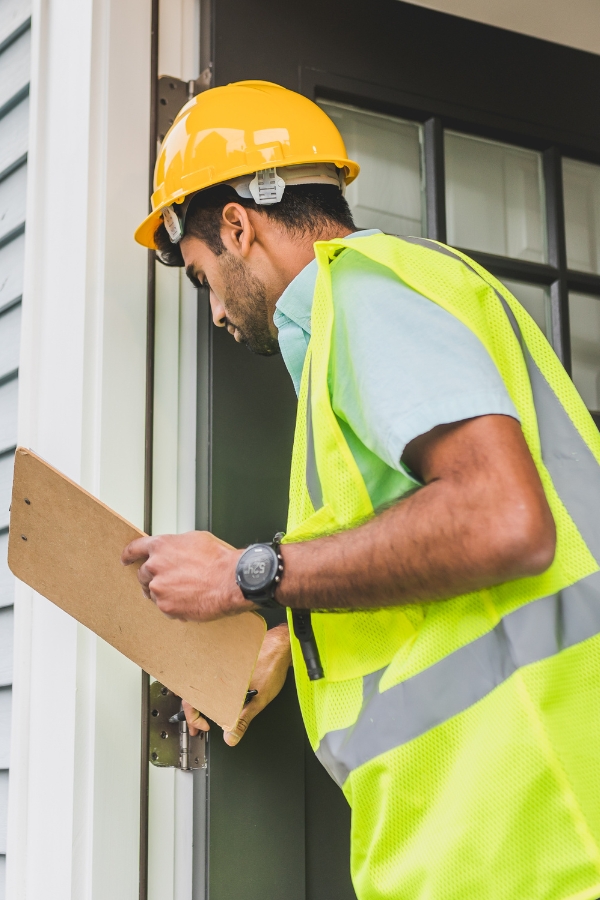
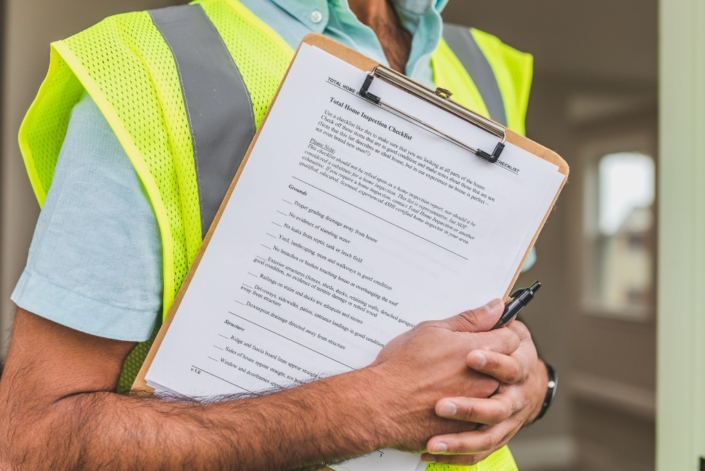
A standard inspection is a visual review of accessible components. We look for material defects, safety concerns, and deferred maintenance, and we flag conditions that need a specialist. We do not open walls, move stored belongings, or predict hidden defects. Everything is documented with photos and plain-language notes. Here is what we check in each major system.
What do you check on appliances?
We operate installed appliances with their normal controls where we can reach them. We note visible connection problems, obvious damage, and basic response, such as whether a dishwasher fills and drains or a range element heats. We do not verify internal parts, long-term reliability, or manufacturer specifications. If an appliance fails a basic test, your report shows it with a photo. You can then ask the seller for a repair or credit before closing.
What do you check at doors and windows?
We check doors and windows for operation, locking, visible damage, failed seals, and water signs around the frames. Sticking doors, fogged glass, damaged screens, and worn caulking often point to a maintenance need. Fogged glass can mean a failed seal. A door that binds can mean the house has settled. Rot behind trim or inside a wall cavity cannot be confirmed by eye. When we suspect it, we say so and recommend a closer look.
What do you check in the electrical system?
We review accessible panels, breakers, representative outlets, visible wiring, and grounding. We also test GFCI protection where it is installed, such as kitchens, bathrooms, garages, and exterior outlets. We test GFCI outlets. We do not install them. Findings can include open grounds, damaged panel parts, or missing protection near water. We do not trace concealed wiring or run a full load study. A licensed electrician can take that next step if your report calls for it.
What do you check in heating and cooling?
We run visible heating and cooling equipment and watch how it responds. We also look at accessible ducts, vents, filters, and condensate drains. A system that works today can still be near the end of its life, so we note its age and condition. Our review is not an efficiency rating, and it does not guarantee future operation. If the equipment shows trouble, your report tells you which kind of contractor to call.
What do you check inside and outside the home?
We review exterior cladding, grading, drainage, ceilings, walls, floors, and finishes for visible damage and moisture signs. Grading should slope water away from the foundation. Staining or soft spots can point to an active or past leak. Furniture and blocked areas can hide problems, and we tell you when we could not see an area. That way you know what still needs a second look before you commit.
What do you check in plumbing?
We check visible supply and drain lines, fixtures, water heaters, and accessible shutoffs for leaks, corrosion, and working flow. We run water at sinks, tubs, and toilets to spot slow drains and pressure problems. Underground piping, pipe interiors, and leaks behind walls are outside a visual inspection. Your report notes anything that deserves a plumber’s attention, with photos of what we saw.
What do you check in roofing and structure?
We inspect accessible roof coverings, flashings, attic conditions, visible framing, foundations, basements, and crawl spaces. We look for damaged shingles, moisture staining, cracks, settlement signs, and framing concerns. Homes on slabs show less than homes over crawl spaces, so findings differ. We cannot confirm hidden structural defects or predict movement. We can point you to a specialist when one is needed, and your report documents what we saw so that person starts with a clear record.