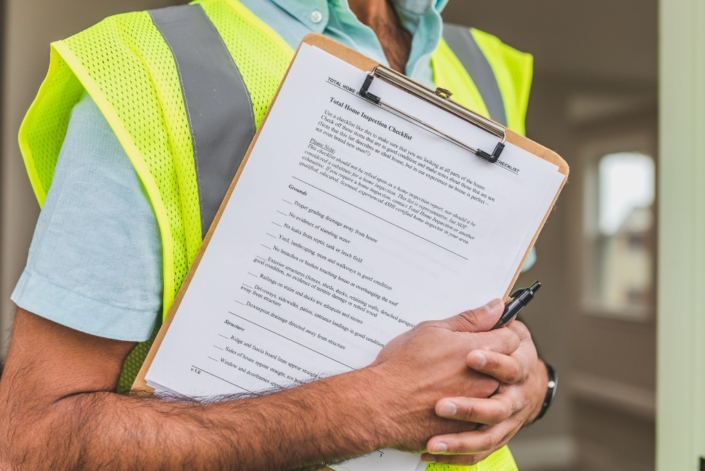
Home Inspection in Middletown, DE

Preferred Home Inspections inspects resale and new-construction homes in Middletown, Odessa, and Townsend. A standard home inspection in Middletown, DE starts at $425, and you get a photo-rich digital report the same day. Founder and owner Cortland Bradley leads our inspections, backed by more than 10,000 Delaware inspections since 1994. We cover the whole house, from the roof to the foundation. For new builds, contact us to confirm which inspection timing fits your build. Schedule your inspection today.

What Should Middletown Home Buyers Know Before an Inspection?

Middletown has two kinds of housing, and each calls for different attention. Older homes near the town center and Main Street often carry layered repairs, mixed-age systems, and additions that hide earlier work. Newer subdivisions around Middletown, Odessa, and Townsend tend to show other issues, such as grading and drainage, attic insulation and ventilation, and builder workmanship.

Delaware summers are humid and heavy rain is common, so we watch moisture closely. We look at exterior drainage, signs of water in crawl spaces and basements, and attic ventilation. Foundation type matters too. A slab hides different problems than a crawl space.

You may want an inspection when you are:

  • Buying a resale or new-construction home
  • Preparing to list and want to know what a buyer will find
  • Dealing with leaks, musty odors, or storm damage
  • Planning a renovation or suspecting pest activity
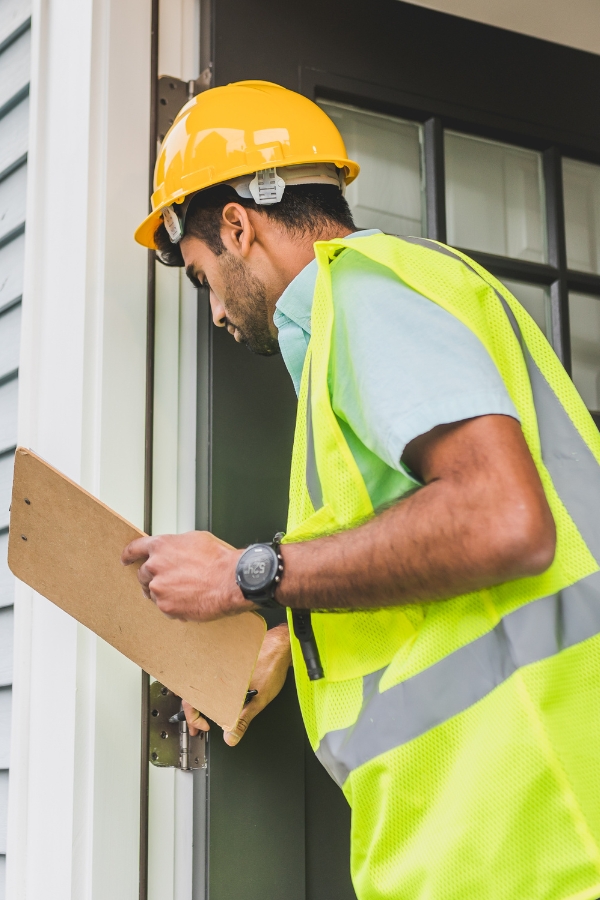
Home inspector wearing a hard hat and safety vest checking an exterior door in Middletown, DE.

What does a Middletown home inspection cover?

A standard inspection is a visual review of accessible components. We look for material defects, safety concerns, and deferred maintenance, and we flag conditions that need a specialist. We do not open walls, move stored belongings, or predict hidden defects. Everything is documented with photos and plain-language notes. Here is what we check in each major system.

What do you check on appliances?

We operate installed appliances with their normal controls where we can reach them. We note visible connection problems, obvious damage, and basic response, such as whether a dishwasher fills and drains or a range element heats. We do not verify internal parts, long-term reliability, or manufacturer specifications. If an appliance fails a basic test, your report shows it with a photo. You can then ask the seller for a repair or credit before closing.

What do you check at doors and windows?

We check doors and windows for operation, locking, visible damage, failed seals, and water signs around the frames. Sticking doors, fogged glass, damaged screens, and worn caulking often point to a maintenance need. Fogged glass can mean a failed seal. A door that binds can mean the house has settled. Rot behind trim or inside a wall cavity cannot be confirmed by eye. When we suspect it, we say so and recommend a closer look.

What do you check in the electrical system?

We review accessible panels, breakers, representative outlets, visible wiring, and grounding. We also test GFCI protection where it is installed, such as kitchens, bathrooms, garages, and exterior outlets. We test GFCI outlets. We do not install them. Findings can include open grounds, damaged panel parts, or missing protection near water. We do not trace concealed wiring or run a full load study. A licensed electrician can take that next step if your report calls for it.

What do you check in heating and cooling?

We run visible heating and cooling equipment and watch how it responds. We also look at accessible ducts, vents, filters, and condensate drains. A system that works today can still be near the end of its life, so we note its age and condition. Our review is not an efficiency rating, and it does not guarantee future operation. If the equipment shows trouble, your report tells you which kind of contractor to call.

What do you check inside and outside the home?

We review exterior cladding, grading, drainage, ceilings, walls, floors, and finishes for visible damage and moisture signs. Grading should slope water away from the foundation. Staining or soft spots can point to an active or past leak. Furniture and blocked areas can hide problems, and we tell you when we could not see an area. That way you know what still needs a second look before you commit.

What do you check in plumbing?

We check visible supply and drain lines, fixtures, water heaters, and accessible shutoffs for leaks, corrosion, and working flow. We run water at sinks, tubs, and toilets to spot slow drains and pressure problems. Underground piping, pipe interiors, and leaks behind walls are outside a visual inspection. Your report notes anything that deserves a plumber’s attention, with photos of what we saw.

What do you check in roofing and structure?

We inspect accessible roof coverings, flashings, attic conditions, visible framing, foundations, basements, and crawl spaces. We look for damaged shingles, moisture staining, cracks, settlement signs, and framing concerns. Homes on slabs show less than homes over crawl spaces, so findings differ. We cannot confirm hidden structural defects or predict movement. We can point you to a specialist when one is needed, and your report documents what we saw so that person starts with a clear record.

Do new construction homes in Middletown need an inspection?

Yes. A builder’s walkthrough is useful, but the builder leads it, so it is not an independent evaluation. New homes in Middletown, Odessa, and Townsend can have drainage, insulation, ventilation, and workmanship problems that nobody has caught yet. Buyers often consider an independent inspection at three points: before drywall, before closing, and near the end of the builder’s written warranty. Contact us to confirm which we can schedule for your build. Read why new construction homes need inspections, then use the table to match the stage to your build.

Common new-construction inspection points: timing, what is typically checked, and why it matters.

When What we check Why it matters
After rough trades, before insulation and drywall Accessible framing, rough plumbing, electrical, duct routing, and weather-resistive details Documents visible work before walls and ceilings are closed
After construction is substantially complete, before closing Accessible roof, attic, systems, finishes, drainage, and visible incomplete work Provides an independent record for your final builder walkthrough
Near month 10 or 11, based on the written warranty Settlement-related finishes, operation, drainage, system performance, and visible roof observations Identifies concerns while warranty coverage may still apply

What is a pre-drywall inspection?

A pre-drywall inspection happens after the rough plumbing, electrical, HVAC, and framing work is in and before insulation and drywall cover it. The inspection reviews accessible framing connections, rough-in work, duct routing, and weather-resistive details on the exterior. Exposed work is easy to photograph and explain. Once the walls close, it is not. A photo record like this can be shared with your builder while corrections are still practical. Whether one can be scheduled depends on the builder’s site access and schedule, so contact us early to confirm availability. Fixing a problem at this stage usually means moving a wire or a strap. After drywall, it can mean opening a wall.

What does a final walkthrough inspection catch before closing?

A final inspection reviews the finished house before you close. It is separate from the builder’s own walkthrough. The inspection checks the accessible roof and attic, electrical and plumbing operation, HVAC response, finishes, exterior drainage, and visible incomplete or damaged work. Items worth catching include grading that sends water toward the house, thin or uneven attic insulation, and fixtures that do not work. An organized, photo-documented list can be taken to the builder before ownership transfers, and your agent can use it to ask for fixes ahead of settlement.

When should you book an 11-month builder warranty inspection?

Book it around month 10 or 11, and use the deadline in your builder’s written warranty as your guide. Warranty terms vary by builder, so read yours first. Normal living can reveal settlement-related finish cracks, sticking doors or windows, drainage changes, and HVAC or plumbing performance problems. A warranty-stage review also looks at visible roof and flashing. A report does not decide what the builder owes you, but it can give you organized documentation to submit before your warranty period ends. Contact us to confirm availability, and book early to leave time for the report and for the builder’s response.

What add-on inspections do Middletown buyers order?

Home inspection professionals from Middletown, DE, assessing a residential property, one with a clipboard and another with a tablet.

Should I add radon testing?

Yes, if you want to know what a visual inspection cannot show. Radon is a gas you cannot see or smell, so the only way to know is to test. We test for radon for $130. The EPA action level is 4 pCi/L, and the EPA suggests considering a fix when results fall between 2 and 4 pCi/L. The Delaware Division of Public Health radon page explains what results mean.

Our page on radon testing in Middletown covers how we test and what to do after you get a result.

Do I need a termite or WDI inspection?

Often, yes. A wood-destroying insect (WDI) inspection looks for evidence of termites and other insects that damage wood, which a general inspection does not fully cover. Lenders may require one, and buyers or sellers often request one. Our WDI inspections start at $95. The inspection focuses on insects, not on the overall condition of the home. See what a Delaware termite inspection includes before you decide.

What if I suspect mold?

If we see suspected mold, recurring moisture, or persistent musty odors, we document what we see and where, and we tell you what further evaluation makes sense. These signs usually point to a water-management problem that deserves a closer look before you negotiate or close. We do not perform mold remediation, so we have no conflict of interest and nothing to sell from the finding. Our job is to tell you what is there and what it may mean.

How much is a home inspection in Middletown, DE?

A standard residential inspection in Middletown starts at $425. Final pricing reflects the home’s size, age, and location, plus any add-ons. Radon testing is $130, and WDI inspections start at $95. Larger and older homes take more time to document, so they can cost more. For the factors behind these numbers, read our Delaware home inspection cost guide. Contact us for new-construction inspection pricing and availability. Send us the address, property type, and your deadline, and we will quote the right scope.

When will I get my Middletown inspection report?

You get your report the same day as the inspection. That gives you time to act while an inspection contingency, closing, builder walkthrough, or warranty deadline is still open.

We deliver it through Spectora, a digital report that organizes findings and photos by system. It opens on a phone, tablet, or computer, so buyers, agents, and contractors can all read it. The report separates safety concerns, material defects, and maintenance items. It is not a pass-or-fail grade for the house, so you can focus on what needs attention instead of treating every note as urgent.

Our reports also include a Repair Request Document generator. You or your agent select the findings you want to raise, and the report builds a focused repair request. You skip the work of rebuilding a list from dozens of pages. Look at a sample inspection report to see how findings appear.

Check availability for your inspection date.

Middletown home inspection FAQs

How much is a home inspection in Middletown, DE?

A standard inspection in Middletown starts at $425. The final price depends on the home’s size, age, and location, and on add-ons such as radon testing ($130) or a WDI inspection (from $95). Larger and older homes take more time to inspect, so they can cost more.

Do I need an inspection on a newly built home in Middletown?

Yes. A builder’s walkthrough is led by the builder and is not an independent evaluation. Independent inspections are commonly scheduled before drywall, before closing, and near the end of the builder’s written warranty. Contact us to confirm which we can schedule for your build. Availability depends on the builder’s site access and schedule.

What is a pre-drywall inspection?

It is an inspection after rough plumbing, electrical, HVAC, and framing are installed but before insulation and drywall cover them. A pre-drywall review covers accessible work, and the photos can be shared with the builder while fixes are still easy. Contact us to confirm availability for your build.

When should I schedule an 11-month warranty inspection in Delaware?

Schedule it around month 10 or 11, using the deadline in your builder’s written warranty. Booking early leaves time to receive the report and submit findings before the warranty period ends. Read your builder’s warranty first, because terms differ. Contact us to confirm availability for your build.

How long does a Middletown home inspection take, and do I get the report the same day?

Time depends on the home’s size, age, and condition, and larger or older homes take longer. We deliver your photo-rich digital report the same day as the inspection, so you can review it while your deadline is open.

Schedule your Middletown home inspection

Tell us the address, property type, services you want, and your deadline, and we will confirm scope, price, and availability for your Middletown home inspection. We schedule Monday through Saturday, typically within the week, and we serve Middletown, Odessa, and Townsend. We also inspect homes in nearby Smyrna.

Call (302) 475-4437 or request an appointment online.