Selling your home is one of the biggest financial decisions you’ll ever make. Yet many home sellers skip a crucial step that could save them thousands of dollars and weeks of stress. A pre-listing home inspection puts you in the driver’s seat, giving you complete control over your sale from day one.
What Is a Pre-Listing Home Inspection?
A pre-listing home inspection is exactly what it sounds like: A professional evaluation of your property’s condition before you put it on the market. Unlike a traditional buyer’s inspection that happens after an offer is made, this proactive approach lets you understand your home’s condition on your terms and timeline.
A certified home inspector examines all major systems and components, including the roof, foundation, electrical, plumbing, HVAC, and more. You receive a detailed inspection report outlining any deficiencies, safety concerns, or maintenance issues that could affect your sale.

Why Smart Sellers Invest in Pre-Listing Inspections
In today’s real estate environment, preparation is key for sellers. By fully understanding the condition of your home, you can eliminate uncertainties that frequently cause last-minute issues and derail sales.
Avoid Surprise Deal-Breakers
Nothing kills a sale faster than unexpected problems discovered during a buyer’s inspection. When potential buyers find issues you didn’t know existed, they lose confidence in the entire property. By addressing issues upfront, you demonstrate transparency and build trust with serious buyers from the start.
Price Your Home Accurately
Understanding your home’s condition helps you set a realistic asking price that reflects true market value. Real estate professionals consistently report that properly priced homes sell faster and often attract multiple offers. When your price aligns with your property’s condition, you attract qualified buyers ready to move forward.
Gain Negotiating Power
Knowledge is leverage in any real estate transaction. When you’ve already identified and addressed concerns, buyers have less room to negotiate aggressive price reductions. This leads to smoother negotiations and final sale prices closer to your original asking price.
What a Pre-Listing Inspection Covers
A comprehensive pre-listing home inspection examines every accessible area of your property. Here’s what you can expect:
- Structural components, including foundation, framing, and load-bearing walls
- Roofing system condition, age, and remaining lifespan
- Electrical systems, including panels, wiring, and safety devices
- Plumbing, including supply lines, drains, and water heaters
- HVAC equipment performance and maintenance needs
- Exterior elements such as siding, drainage, and grading
- Interior features, including windows, doors, and insulation
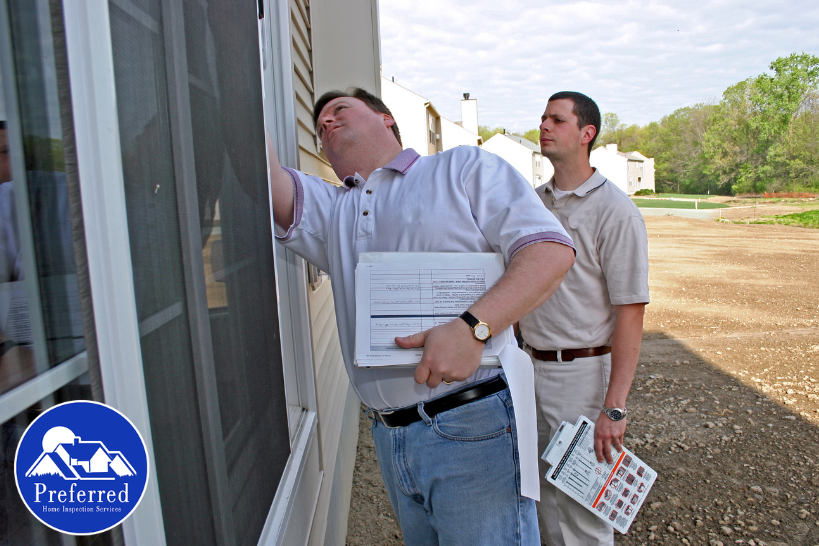
Your home inspector will document everything with photos and detailed descriptions, giving you a clear roadmap for any necessary repairs.
How to Use Your Inspection Report Strategically
Once you have your inspection report in hand, you have several powerful options. The key is making informed decisions that align with your selling goals and timeline.
Make Repairs Before Listing
Fixing problems proactively shows buyers you’ve maintained the property well. Even small repairs demonstrate pride of ownership and attention to detail.
Disclose Known Issues Transparently
If certain repairs don’t fit your budget or timeline, you can disclose them upfront and price accordingly. Honesty builds trust and reduces legal liability.
Provide the Report to Potential Buyers
Sharing your inspection report signals confidence in your property’s condition. Serious buyers appreciate this transparency, and it often speeds up their decision-making process.
Related Article: How to Read a Home Inspection Report Without Getting Overwhelmed
The Financial Case for Pre-Listing Inspections
For a nominal investment of $300 to $500, a pre-listing home inspection can save you significant trouble. This cost varies based on your home’s size and location. Contrast this small expense with the substantial financial risks and potential loss if a transaction collapses:
- Additional mortgage payments while your home sits on the market
- Price reductions demanded after a buyer’s inspection
- Rushed repairs at premium prices to save a failing deal
- Lost time and emotional energy starting over with new buyers
The peace of mind alone makes this investment worthwhile for most home sellers.
When to Schedule Your Inspection
Timing matters when planning a pre-listing home inspection. Schedule your inspection at least two to four weeks before you plan to list. This window gives you adequate time to review the report, obtain repair estimates, complete any work, and adjust your pricing strategy if needed.
Real estate professionals recommend coordinating with your listing agent, who can help you prioritize which repairs offer the best return on investment.
FAQs About Pre-Listing Home Inspections
Should you do a pre-listing inspection?
Absolutely! A pre-listing home inspection helps you address issues upfront, set an accurate asking price, and attract serious buyers. It gives you greater control over the selling process and leads to smoother negotiations.
How much does a pre-listing inspection cost?
Prices vary by location and home size. At Preferred Home Inspections, pre-listing inspections start at $425.
What are the biggest red flags in a home inspection?
Major concerns include foundation issues, roof damage, outdated electrical systems, plumbing leaks, mold, and HVAC problems. These can impact your home’s condition, value, and buyer confidence.
Take Control of Your Home Sale Today
A pre-listing home inspection transforms you from a reactive seller into a confident one. You’ll enter negotiations knowing exactly what you have, what it’s worth, and how to present it to the market.
Ready to sell your home with confidence?
Contact Preferred Home Inspections to schedule your pre-listing inspection in Delaware. Our experienced team will give you the clarity you need for a successful, stress-free sale.