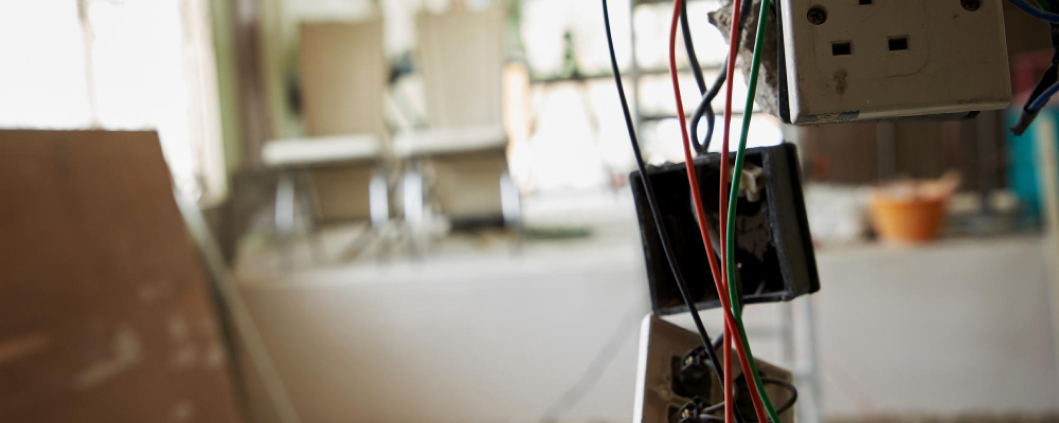
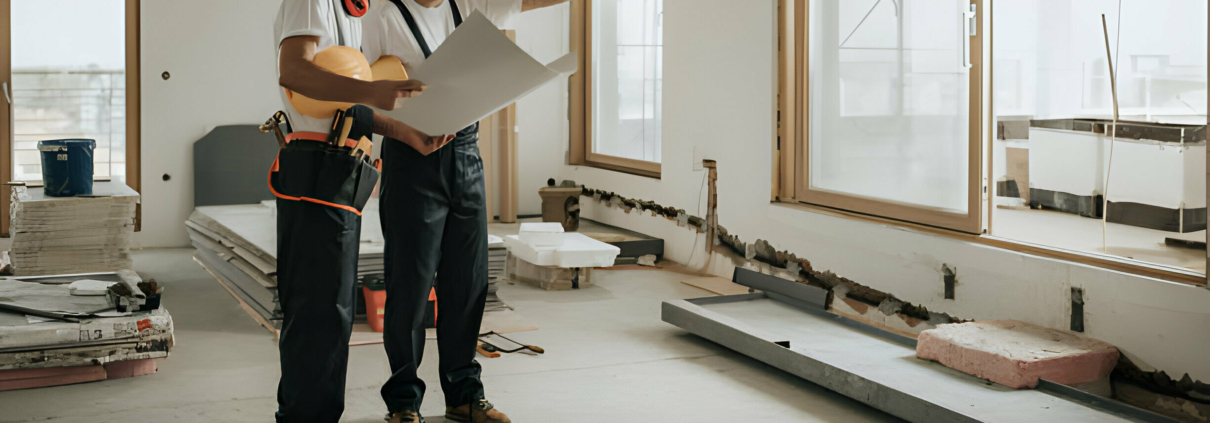
Unfinished electrical socket installation with exposed wires in a Delaware home undergoing renovation.

Electrical safety includes preparing your Delaware home for inspection to the common issues and the know-how to identify them before they escalate. As homes age and technologies evolve, electrical systems often struggle to keep pace, leading to various issues, from minor nuisances to severe hazards.

Importance of Electrical Safety in Delaware Homes

The hidden wiring and circuits running through our homes are often taken for granted, but they bear the weight of modern living.

Nearly 51,000 electrical fires occur annually in the U.S., resulting in around 500 tragic deaths and over $1 billion in property damage, so the stakes are high.

A poorly maintained electrical system is one of the most common issues uncovered during home inspections, leading to unpredictable and disastrous consequences.

Specific Concerns for Delaware Homes

Delaware’s unique climate and architectural diversity make for a fascinating backdrop, but they can also spell trouble for a home’s electrical system.

The sweltering heat of summer and the biting chill of winter put immense pressure on your HVAC system, which often relies heavily on air conditioning to keep temperatures comfortable. This increased demand strains older electrical setups, not originally designed to withstand modern power consumption.

The state’s damp coastal air exacerbates major issues, such as corrosion and moisture, both of which wreak havoc on wiring and connections.

Adding to the complexity, Delaware’s homes reflect a broad architectural history, ranging from charming colonial-era houses to sleek contemporary designs.

Older homes often harbor outdated wiring that poses significant fire risks, while newer constructions aren’t immune to shoddy electrical installations that can also threaten safety.

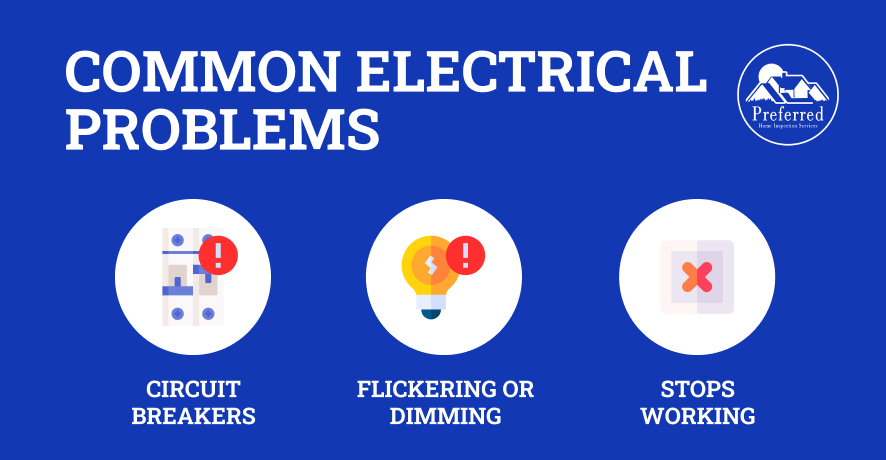
Infographic depicting three common electrical problems in Delaware homes: circuit breaker issues, flickering lights, and electrical outages.

Identifying Common Electrical Problems

Frequent Circuit Breaker Trips

Circuit breakers are designed to protect your home by cutting off power when they detect an overload, short circuit, or ground fault. When a circuit breaker frequently trips, it’s a clear indication that your home’s electrical system is under duress. Common culprits include overloaded circuits, faulty appliances, or wiring issues.

To address frequent breaker trips, first unplug appliances and devices connected to the circuit and then reset the breaker.

If it trips again with minimal load, you may need to consult a licensed electrician to investigate underlying problems like faulty wiring or an outdated electrical panel.

Flickering or Dimming Lights

Flickering or dimming lights often hint at issues with your home’s electrical system.

While temporary flickering during storms or power surges can be normal, persistent flickering or dimming may signal more serious problems.

Loose connections, faulty switches, or an overloaded circuit could be to blame.

If the issue persists or occurs frequently, it’s best to have a professional electrician diagnose the problem to rule out potential hazards or malfunctions.

Outlets Not Working

When an outlet suddenly stops working, it’s often due to a tripped breaker, a tripped ground fault circuit interrupter (GFCI), or loose wiring.

Start by checking the circuit breaker panel and resetting any tripped breakers.

If the outlet still doesn’t work, locate and reset the GFCI outlet, which may control the non-functional outlet.

If these steps fail, inspect the outlet for signs of damage or wear. Remember to exercise caution when inspecting electrical fixtures, and turn off the power at the circuit breaker before attempting any repairs.

Signs of Potential Electrical Hazards

Burning Smell from Outlets or Switches

A burning smell emanating from outlets or switches is a serious red flag that something’s wrong. This odor typically indicates overheating due to faulty wiring, a loose connection, or an overloaded circuit, all of which pose significant fire risks.

If you detect a burning smell, immediately switch off power to the affected area at the breaker box and consult a licensed electrician.

Discolored Outlets or Switch Plates

Discoloration on outlets or switch plates often indicates overheating, which loose wiring, overloaded circuits, or faulty outlets could cause. Such discoloration is a telltale sign of electrical arcing or melting plastic, both of which could spark an electrical fire.

Refrain from using discolored outlets and switch plates, and have a professional inspect and repair the issue promptly to prevent further hazards.

Buzzing Sounds from Electrical Panels or Outlets

Buzzing or humming noises emanating from electrical panels or outlets usually suggest an electrical fault. These sounds often indicate loose connections, overloaded circuits, or failing components, each posing a risk of electrical shock or fire.

Ignoring these sounds could lead to equipment failure, fire hazards, or even electrical shock, so don’t delay in seeking professional help.


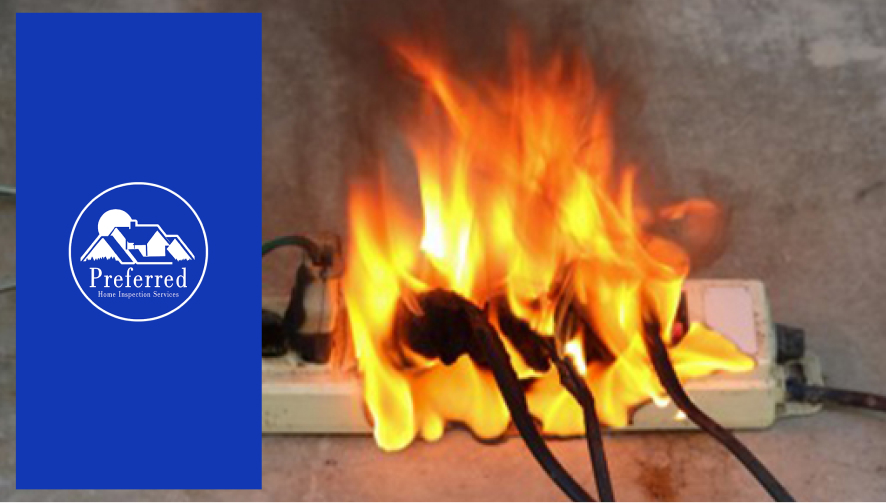
Dangerous electrical fire caused by overloaded power strip in a Delaware home, with logo of Preferred Home Inspection Services.

How to Prevent Electrical Issues in Your Home

Regular Electrical Inspections

Routine professional inspections are the cornerstone of electrical safety in your home. A qualified electrician can detect early signs of wear and tear, faulty wiring, or overloaded circuits that might go unnoticed to the untrained eye.

For Delaware homes, home inspection experts recommend scheduling an electrical check-up every three to five years, or sooner if your home is older or has experienced significant electrical upgrades.

Regular home inspection in Hockessin, DE, can uncover potential hazards before they escalate, providing peace of mind and a safer living environment.

Upgrading Old Electrical Wiring

Outdated wiring can struggle to keep up with the demands of modern appliances and electronics, posing safety risks like electrical fires.

Telltale signs that your home’s wiring needs an upgrade include frequent breaker trips, flickering lights, and discolored outlets.

Upgrading your wiring boosts safety and improves energy efficiency and the overall reliability of your home’s electrical system.

With updated wiring, you can comfortably use multiple appliances simultaneously without fear of overloading the system.

Installing Surge Protectors

Surge protectors offer valuable protection for your electronics and appliances from power surges that can occur during storms, power outages, or other electrical disruptions.

By diverting excess electricity away from your devices, they prevent damage and prolong the lifespan of your electronics.

Whole-house surge protectors, installed at the electrical panel, offer comprehensive protection, while plug-in surge protectors provide localized defense.


What to Do If You Encounter an Electrical Issue

Steps to Take When You Notice an Electrical Problem

When faced with an electrical problem, the first priority is safety. To prevent potential damage or hazards, turn off the power at the circuit breaker for the affected area.

For problems like a burning smell, buzzing noises, or flickering lights, avoid using the faulty fixture and keep the area clear.

If the issue seems minor and you have the appropriate skills, you can safely mitigate it by unplugging devices or resetting breakers.

However, for more serious concerns, it’s best to leave the repairs to a professional.

When to Call a Professional Electrician

If you encounter frequent breaker trips, burning smells, or buzzing sounds, or if you’re unsure about the safety of your electrical system, it’s best to seek expert intervention.

Finding a qualified electrician in Delaware involves checking for proper licensing, reading customer reviews, and ensuring they have experience with the specific issues in your home.

Professional electricians can accurately diagnose problems and provide safe, lasting solutions.

Conclusion: Maintaining a Safe Electrical System

Regular inspections, wiring upgrades, and surge protection significantly reduce the risk of electrical issues, enhance property value, and safeguard both your property and loved ones.

So, by staying vigilant and addressing problems promptly, Delaware homeowners can keep their homes powered safely and efficiently, ensuring a bright future for years to come.

As we move through the year, tailoring your home maintenance tasks to the season is essential. From the renewal tasks of spring that focus on cleaning and outdoor preparation to the protective measures of winter designed to keep your home warm and secure.

This guide will walk you through the specific actions needed to prepare your Delaware home for pre-listing so it stands up to the elements and meets all necessary standards.


Spring: A Time for Renewal

Spring in Delaware is a season of renewal and rejuvenation, making it the perfect time to schedule a home inspection in Christiana for a comprehensive check-up and refresh.

Transitioning into spring with a detailed checklist means your home is well-prepared for the coming months.

Exterior Spring Checklist

Inspect the Roof

Winter storms can wreak havoc on your roof. Early detection and repair of missing, loose, or damaged shingles are essential to prevent leaks and water damage.

This protects your home and reassures potential buyers of your diligent maintenance, potentially increasing the home’s appeal and value.

Clean Gutters and Downspouts

Clearing out leaves, twigs, and debris from your gutters and downspouts is critical for preventing water damage to your siding or foundation.

While seemingly minor, this task signals potential buyers that the home has been well cared for, reflecting positively on the property’s overall maintenance.

Check the Foundation

The foundation is the bedrock of your home. Inspecting for and addressing any cracks or signs of movement early on can avert water intrusion and structural issues, reassuring potential buyers of the home’s stability and integrity.

Service Air Conditioning Units

With the warmer months on the horizon, having your AC units in optimal working condition can lead to significant energy savings and prevent inconvenient breakdowns.

This demonstrates to potential buyers that the home’s essential systems don’t have any common findings in home inspections.

Prepare the Lawn and Garden

A well-maintained lawn and garden enhance your home’s curb appeal, making it more inviting to potential buyers.

Early spring is the ideal time to start landscaping projects that will bloom into full beauty by summer, showcasing the property’s aesthetic appeal.

Interior Spring Checklist

Deep Clean

Spring cleaning goes beyond tradition; it’s an opportunity to declutter and organize your home, making it more attractive and welcoming.

A clean, well-organized space is more appealing to buyers and can make your home stand out in the competitive real estate market.

Check Smoke and Carbon Monoxide Detectors

Having these safety devices functioning correctly is crucial for the well-being of the home’s occupants. This simple check is a key selling point, offering peace of mind to potential buyers about the home’s safety, especially from radon.

Inspect Windows and Doors

Checking for and sealing gaps or repairing damage improves energy efficiency and enhances the comfort of your home.

Service Major Appliances

Demonstrating that major appliances are in good working condition reassures potential buyers about the home’s upkeep. Regular servicing can extend the life of these appliances, making the property more attractive to buyers looking for a move-in-ready home.

Refresh Decor

Updating the interior aesthetics with fresh paint, new curtains, or updated fixtures can make your home more appealing. These changes, while often simple and cost-effective, can significantly enhance the perceived value of your home, making it more enticing to potential buyers.


Summer: Maintenance in Full Swing

As Delaware welcomes the warmth of summer, homeowners in Hockessin should shift their focus to home inspection or calling a local home inspector so they can withstand the heat and activity of the season.

By tackling these summer maintenance tasks, you can make sure your home is a cool, comfortable sanctuary for relaxation and entertainment throughout the season.

Exterior Summer Checklist

Lawn Care

Regular mowing, strategic watering, and timely fertilization are key to achieving that lush greenery that makes your property stand out.

Consider eco-friendly landscaping solutions that require less water and maintenance for a sustainable appeal.

Inspect and Repair Deck/Patio

Outdoor living spaces are highly valued, especially in the warmer months.

Inspecting your deck or patio for safety hazards, such as loose boards or unstable railings, and making necessary repairs not only ensures safety but also enhances the usability and appeal of these spaces.

Clean and Inspect the Pool

A clean, well-functioning pool invites relaxation and enjoyment, showcasing a lifestyle many buyers covet.

Regular maintenance, including chemical balance checks and equipment inspections, makes the pool a highlight rather than a concern for potential buyers.

Exterior Painting

A fresh coat of paint revitalizes your home’s exterior appearance, boosting curb appeal significantly.

Beyond aesthetics, quality exterior paint protects against the summer sun, rain, and pests, preserving the integrity of your home’s exterior.

Check Irrigation Systems

Efficient irrigation systems conserve water and keep your landscaping vibrant throughout the harsh summer months. Demonstrating to buyers that your property has a sustainable and easy-to-maintain watering system adds to the home’s overall appeal, highlighting the ease of upkeep and environmental consciousness.

Interior Summer Checklist

Ventilation and Cooling Systems

Exerting effort to service your HVAC system is a good reflection of the home’s maintenance and provides a cool, welcoming environment for potential buyers during viewings.

Highlighting energy-efficient cooling solutions can also appeal to buyers looking for cost-effective, eco-friendly homes.

Minimize Sun Exposure

Utilizing blinds, curtains, and UV-protective window films can significantly reduce heat buildup and prevent fading, showcasing your proactive measures in preserving the home’s interior aesthetics and comfort to buyers.

Prepare for Summer Storms

Demonstrating preparedness for summer storms with well-sealed windows, a reliable sump pump, and emergency kits readily available reassures buyers of the home’s resilience against weather-related challenges.

Declutter and Organize

A decluttered and well-organized home appears more spacious and inviting, enhancing its appeal to potential buyers.

This effort also allows buyers to envision their belongings in the space, making the home more relatable and attractive.

Organizational systems in closets, garages, and pantries can be highlighted as added benefits.

Indoor Air Quality

The health of the home’s environment is increasingly important to buyers. Regularly replacing HVAC filters, using dehumidifiers in prone areas, scheduling radon testing in Middletown, Delaware, and adequate ventilation improves indoor air quality.


Fall: Preparing for the Cold

As the vibrant hues of fall paint Delaware’s landscapes, it’s a signal for homeowners to focus on preparing their homes for the colder months ahead.

These proactive steps demonstrate a commitment to maintaining the home’s integrity.

Exterior Fall Checklist

Clean Gutters and Downspouts Again to Prevent Ice Dams

Clearing your gutters from debris is critical in fall. This prevents water blockages that can freeze and create ice dams, potentially damaging your roof and gutters.

Regular cleaning maintains the integrity of your home’s water drainage system, safeguarding against winter water damage.

Seal Windows and Doors

Sealing gaps around windows and doors with weatherstripping or caulk keeps the cold and warm air out, enhancing comfort and reducing heating costs.

This simple step can improve your home’s energy efficiency, making it more appealing to potential buyers by demonstrating attention to detail and care for the property.

Prepare Your Heating System for Winter

Servicing your heating system, including furnaces and boilers, ensures they are running efficiently and safely.

This prevents mid-winter breakdowns and optimizes energy use, a key selling point for energy-conscious buyers.

Interior Fall Checklist

Check Insulation Levels

Proper insulation is key to retaining heat so your home stays warm and cozy.

Checking and upgrading insulation in key areas like the attic, walls, and basements can significantly reduce heat loss.

Have the Heating System Professionally Serviced

Beyond making sure your heating system is prepared for winter, a professional home inspection in Middletown, DE, can identify and fix potential issues before they become major problems.

This demonstrates to potential buyers that the home has been meticulously maintained, offering them peace of mind about their investment.

Prepare for Potential Winter Emergencies

Winter can bring unexpected challenges, from storms to power outages. Preparing an emergency kit with essentials such as water, non-perishable food, flashlights, and blankets shows foresight and preparedness. This readiness ensures your family’s safety and signals to potential buyers that the home is well-equipped to handle winter’s unpredictability.


Winter: Vigilance and Protection

As Delaware’s landscapes are blanketed in snow, the focus for homeowners shifts towards vigilance and protection against harsh winter conditions.

Engaging in these winter maintenance tasks is crucial for safeguarding your home against the season’s challenges.

Exterior Winter Checklist

Inspect the Roof for Snow Load Capacity

The weight of accumulated snow can pose a significant risk to the structural integrity of your roof. Regular inspections can help assess the snow load and prevent potential damage. Removing excess snow can alleviate undue stress on your home’s structure when safely possible, demonstrating to potential buyers the meticulous care taken to maintain the property.

Prevent Pipes from Freezing

Insulating pipes, especially those in unheated areas, and keeping a trickle of water flowing through faucets can prevent freezing.

This precaution protects your home from water damage due to burst pipes and assures potential buyers of the home’s resilience to winter conditions.

Clear Snow and Ice Promptly

Keeping driveways, walkways, and entry points clear of snow and ice is essential for safety and accessibility.

Regular clearing, along with the application of ice melt, guarantees that your home remains accessible and safe throughout the winter months.

Interior Winter Checklist

Monitor Heating Efficiency

Regularly replacing filters and checking for drafts around windows and doors can improve heating efficiency.

A well-maintained heating system keeps utility bills in check and serves as a selling point by highlighting the home’s energy efficiency.

Maintain Indoor Air Quality

The indoor air quality can significantly impact comfort and health, especially during the winter when homes are sealed tight against the cold.

Using humidifiers to maintain optimal humidity levels and proper ventilation can improve indoor air quality.

Inspect Electrical Systems and Holiday Lights for Safety

Winter often brings increased use of electrical systems and holiday decorations.

Inspecting these systems for any potential hazards, such as frayed wires or overloaded circuits, ensures the safety of your home.


Get Inspection-Ready: Your Seasonal Home Preparation Starts Now

By systematically applying these insights, you transform your home into a model of maintenance and care, showcasing its best features to potential buyers and inspectors alike.

At Preferred Home Inspections, we proudly serve homeowners across the Delaware area, ensuring comprehensive home inspections that meet the highest standards. Weather you need a home inspection in Pike Creek, DE, Claymont, DE, Dover, DE, or Smyrna, DE, our team is ready to help you prepare for a successful home inspection.

For those seeking expert guidance and a thorough home inspection service –– contact Preferred Home Inspections today –– we’re ready to assist you in the inspection process, giving you peace of mind and confidence in your home’s condition.

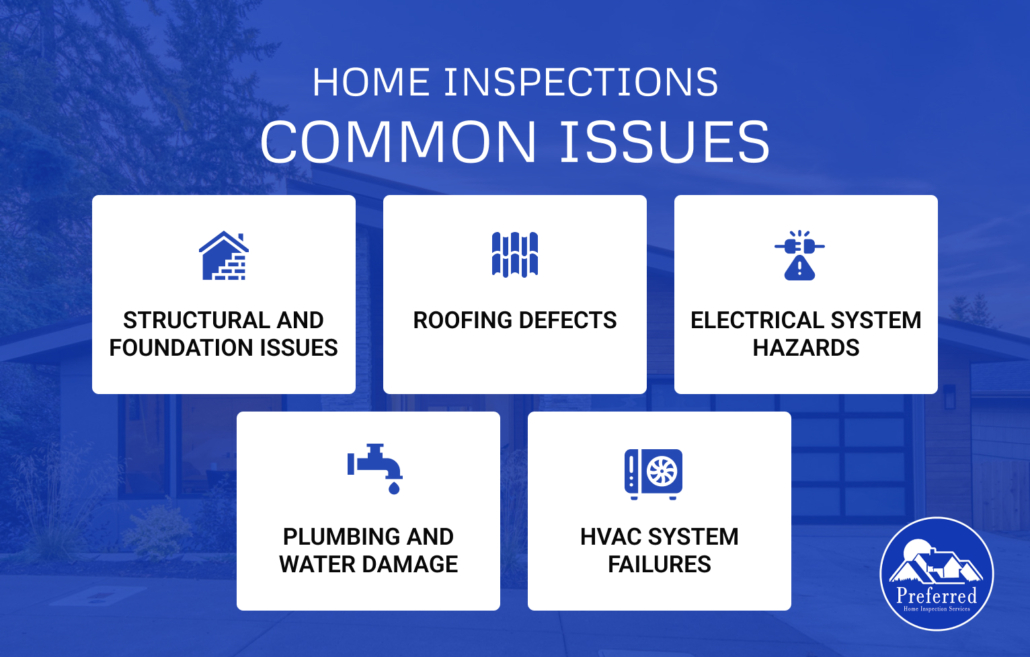
In Delaware, common issues uncovered during home inspections can range from minor cosmetic flaws to major structural defects, impacting both the sale process and long-term property value.

Understanding these potential pitfalls and how to address them is crucial for buyers and sellers.

This guide provides an overview of frequent inspection findings and practical advice on remediation, setting the stage for a deeper exploration of each significant concern.


Common Issues Uncovered During Home Inspections in Delaware

Being aware of potential issues that can impact a property’s safety, functionality, and value, along with knowing how to address them, is crucial for homes adhering to safety standards and meeting buyer expectations. Many of these problems are routinely identified during residential home inspections, making them an essential step in the real estate process.

​​Structural and Foundation Issues

Structural integrity is the backbone of any property, making foundation issues a top concern during home inspections in Delaware.

Cracks in the foundation, uneven floors, and doors that won’t close properly are telltale signs of underlying problems. Addressing these issues immediately prevents more severe damage, requiring expertise from structural engineers to assess and recommend solutions.

Depending on the severity, remediation might involve underpinning, sealing, or even major reconstruction.

Roofing Defects

Repairing roofing defects promptly can extend the roof’s lifespan and improve the home’s overall condition. This includes missing or broken shingles, leaks, and inadequate ventilation.

For significant damage, a total roof replacement may be necessary, representing a substantial investment and offering an opportunity to upgrade to more durable materials.

Electrical System Hazards

Electrical systems in older homes often reveal significant hazards, such as outdated wiring, insufficient grounding, and overloaded circuits. These issues pose a fire risk, affecting the home’s insurability and resale value.

Upgrading the electrical system to meet current codes involves replacing old wiring, adding additional circuits, and installing ground fault circuit interrupters (GFCIs) in wet areas.

While costly, these updates are essential for safety and functionality.

Plumbing and Water Damage

Plumbing issues, ranging from leaky faucets to faulty water heaters, are common findings that can lead to more significant problems like water damage and mold growth.

Inspectors often uncover hidden leaks within walls or under floors, which require immediate attention to prevent structural damage.

Addressing plumbing issues might involve repairs or complete system replacements, especially in older homes with outdated materials like galvanized pipes.

HVAC System Failures

Heating, Ventilation, and Air Conditioning (HVAC) systems are crucial for comfort and air quality in Delaware homes.

Common issues include inefficient operation, outdated systems, and poor maintenance, leading to uneven heating or cooling and increased energy costs.

Regular servicing can extend the life of an HVAC system, but older units often require replacement.

Investing in a new, energy-efficient system can improve comfort, reduce utility bills, and enhance the property’s appeal to potential buyers.


Addressing Less Common But Critical Findings

While some issues are frequently highlighted during home inspections, others, though less common, pose significant health and safety risks.

Understanding how to identify and address mold and mildew, pest infestations, and hazardous materials like asbestos and radon is essential for maintaining a safe living environment.

Mold and Mildew Presence

Mold and mildew thrive in moist environments, often hidden behind walls or floors. Identifying their presence early through professional inspections can prevent extensive damage and health problems.

Remediation involves:

  • Eliminating the moisture source.
  • Cleaning or removing affected materials.
  • Improving ventilation to prevent future growth.

Pest Infestations

Pests, ranging from termites to rodents, can cause significant damage to a property and, in some cases, carry diseases.

Treatment options vary depending on the pest type but often include chemical treatments, baiting systems, or physical barriers to entry.

Regular maintenance and sealing of potential entry points can help deter pests, preserving the structural integrity and health of the home environment.

Hazardous Materials: Asbestos and Radon

Asbestos, commonly found in older homes’ insulation, tiles, and roofing materials, causes respiratory issues when disturbed.

On the other hand, Radon, a colorless and odorless gas that can seep into homes from the ground, is a leading cause of lung cancer in non-smokers.

These are ways professional testing detects their presence accurately:

  • Visual Inspection for Asbestos: Professionals conduct a thorough visual inspection to identify potential asbestos-containing materials. This initial step is crucial for determining which areas or items need closer examination or sampling.
  • Sample Collection and Laboratory Analysis for Asbestos: Suspected asbestos materials are carefully sampled and sent to a laboratory, where they are analyzed using techniques like polarized light microscopy (PLM) or transmission electron microscopy (TEM).
  • Short-term Radon Testing: This method involves placing testing devices in the lowest livable area of the home for 2 to 90 days. Short-term tests are useful for quick assessments, especially during real estate transactions or after radon mitigation system installations.
  • Long-term Radon Testing: For a more accurate assessment of a home’s average radon level, long-term tests are conducted over more than 90 days. These tests better represent the radon exposure residents might face throughout different seasons.
  • Continuous Radon Monitors (CRMs): CRMs offer a detailed and immediate analysis of radon levels over a short period, typically used by professionals during real estate transactions or to assess the effectiveness of a newly installed radon mitigation system.

Upon detecting asbestos, encapsulation or professional removal may be recommended. Encapsulation involves covering the asbestos material with a sealant that prevents fiber release, while removal eliminates the hazard from the home.

Installing ventilation systems, such as sub-slab depressurization, reduces radon levels to a safer concentration, protecting the health of home occupants.


Embrace Home Inspections for Empowered Decision-Making

By understanding the common and less common issues that can arise, homeowners and potential buyers can make educated choices about their current or future properties.

Embrace the insights from thorough inspections to ensure your home is safe, functional, and a valuable investment for years.

In the bustling Delaware real estate market, every home seller aims to make their listing stand out while ensuring a seamless sale process. If you’re preparing to list your home, you might have come across the term’ pre-listing inspection’. While some might see it as just another box to tick off, in reality, it’s a strategic move that can offer various benefits.

In this guide, we’ll delve deep into why a pre-listing inspection is not only a smart choice but also a potentially lucrative one for Delaware homeowners. Whether you’re a seasoned seller or putting your home on the market for the first time, this insight could make all the difference. Let’s get started.


Understanding the Importance of a Pre-listing Inspection in Delaware

In Delaware’s ever-evolving real estate landscape, being well-prepared and informed is the key to a successful home sale. One of the critical steps that can provide both sellers and buyers with peace of mind is the pre-listing inspection. But what is it, and how does it differ from other types of inspections? Let’s dive in.

What is a Pre-listing Inspection?

A pre-listing inspection is an examination carried out by a certified inspector before a home is listed for sale. Think of it as a thorough health check-up for your home. A pre-listing inspection can give you insights into the condition of your property before showcasing it to potential buyers. Its primary goal is to identify any issues or potential areas of concern that might deter buyers or affect the home’s value.

By addressing these early on, you can enhance the appeal of your property, reduce the risk of surprises during the buyer’s inspection, and potentially even raise the home’s market value.

Now, you might wonder how this differs from the buyer’s home inspection. While both inspections aim to understand the home’s condition, their timing and implications are distinct:

  • Timing: As the name suggests, a pre-listing inspection is done before the home is listed for sale, while a buyer’s inspection takes place after an offer is made but before the sale is finalized.
  • Implications for Sellers: With a pre-listing inspection, sellers get a proactive opportunity to address any issues or make necessary repairs. This can lead to smoother negotiations and a more streamlined sales process. In contrast, issues discovered during a buyer’s inspection can lead to renegotiations, potential price reductions, or even a buyer backing out of the deal.


Pre-listing inspection

Key Benefits of a Pre-listing Inspection for Delaware Sellers

In Delaware, a pre-listing inspection is a pivotal strategy that’s gaining traction in the real estate market. This is because it brings a host of benefits that can make a significant difference in the home-selling journey. Let’s explore some of the top advantages Delaware sellers can enjoy with a pre-listing inspection.

Gaining a Competitive Advantage

In a market flooded with listings, standing out is paramount. A pre-listing inspection can provide you with a competitive advantage through the following:

  • Making Listings Stand Out: An inspected home is perceived as a well-maintained home. When potential buyers see that a property has undergone a pre-listing inspection, it signals that the seller is transparent and has nothing to hide. This added layer of trust can push your listing to the forefront of a buyer’s choices.
  • Providing Peace of Mind for Buyers: Purchasing a home is a significant investment. Buyers appreciate any measures that reduce uncertainty. Knowing a home has been pre-inspected provides an additional layer of confidence, making them more likely to consider and move forward with the purchase.

Addressing Issues Proactively

A stitch in time saves nine, and this couldn’t be truer in the context of a pre-listing home inspection. It can help address issues proactively through the following:

  • Discovering and Resolving Problems: By identifying issues beforehand, sellers can decide whether to fix them or adjust their listing price accordingly. This preemptive approach prevents last-minute scrambles to address concerns raised during a buyer’s inspection.
  • Reducing Risk of Derailed Deals: Nothing is more frustrating than a deal falling apart at the last moment due to unexpected issues. With a pre-listing inspection, sellers can minimize such surprises, ensuring smoother negotiations and a higher likelihood of the sale going through.

Potentially Increasing Home Value

A well-maintained home is a valuable home, and a pre-listing inspection can guide sellers in optimizing their property’s value through the following:

  • Addressing Minor Issues for Major Gains: Simple fixes, such as repairing leaky faucets or patching up cracks, can drastically improve a home’s appeal. While they might seem inconsequential, these minor repairs can make a big difference in a buyer’s perception, reflecting a well-cared-for property.
  • Doing Common Enhancements: Some frequent findings in pre-listing inspections include inadequate attic insulation, outdated electrical systems, or minor water damage. Addressing these can boost the home’s market value and its functional and aesthetic appeal to potential buyers.


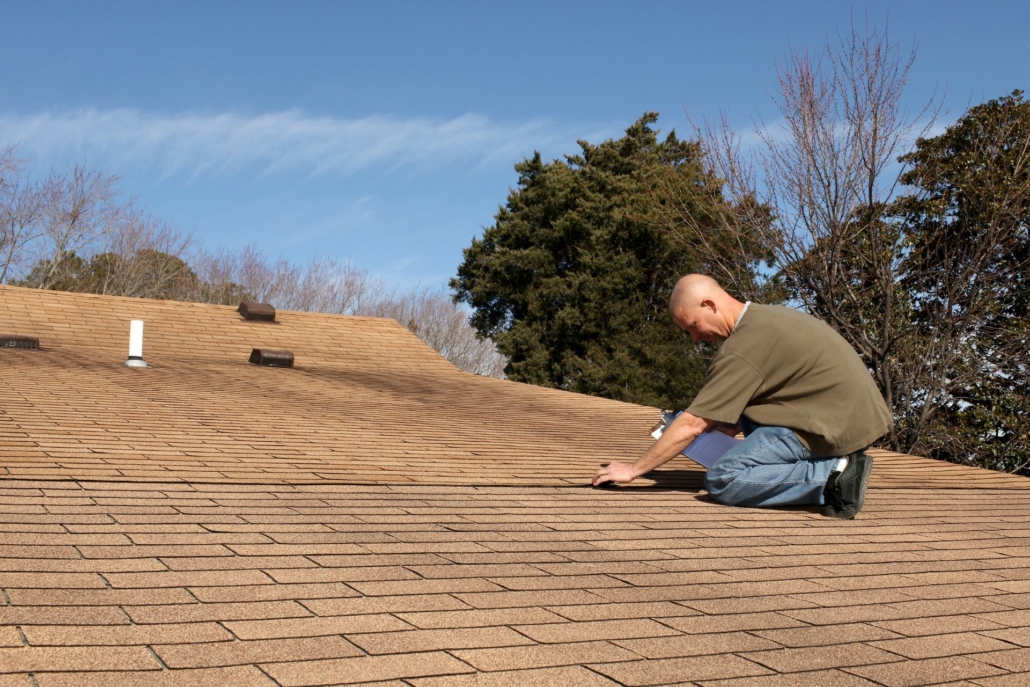
roof inspection

Common Misconceptions About Pre-listing Inspections

The choice to invest in a pre-listing inspection is no different. While its benefits are manifold, there are common misconceptions that make some sellers hesitant. Let’s address these myths head-on, dispelling the doubts and highlighting the value a pre-listing inspection can offer.

“It’s Just an Additional Cost”

It’s easy to see a pre-listing inspection as another expense in the long list of costs associated with selling a home. However, when viewed from a broader perspective, the value becomes clear. Here’s why:

  • Potential ROI: The initial investment in a pre-listing inspection can lead to a higher selling price. By addressing issues in advance, sellers can list their homes with confidence, often resulting in a price that’s commensurate with its pristine condition. Furthermore, a smooth sale process without renegotiation pitfalls can lead to quicker closings, saving time and potential holding costs.
  • Saving Money in the Long Run: Discovering issues during a buyer’s inspection can lead to costly, last-minute repairs or price reductions to keep the sale alive. In many cases, the cost of preemptively fixing these issues (informed by a pre-listing inspection) can be significantly less than the financial implications of addressing them during the negotiation phase.

Buyers Will Inspect Anyway, So Why Bother?

While it’s true that many buyers will conduct their inspections, this doesn’t negate the value of a seller-initiated inspection. The reasons are as follows:

  • Benefit of Both Inspections: When sellers conduct pre-listing inspections, they’re often able to address major concerns before the buyer’s inspection, leading to fewer surprises and a smoother transaction. This doesn’t make the buyer’s inspection redundant; instead, it reaffirms the property’s condition, reinforcing buyer confidence.
  • The Value of Transparency: When sellers present a pre-listing inspection report, it sends a powerful message about transparency and integrity. It tells buyers, “I’ve done my due diligence, and here’s what I know about the home.” This level of openness can build trust, making buyers more comfortable with the purchase and potentially even sway their decisions in a competitive market.


Home inspector giving advice to the couple

How to Choose the Right Inspector in Delaware

Taking the wise step of opting for a pre-listing inspection is just the beginning. The next crucial phase is selecting the right inspector to ensure a thorough and accurate assessment of your property. With numerous professionals available in Delaware, how can you discern the best fit for your needs? Let’s guide you through the process, offering tips and pointers to help you make an informed decision.

Checking Qualifications and Credentials

The foundation of a trustworthy inspector lies in their qualifications and credentials. Here’s why they matter and what you should look for:

  • Certifications and Training: A reliable home inspector should have undergone formal training and obtained certifications from recognized institutions. Organizations such as the American Society of Home Inspectors (ASHI) or the International Association of Certified Home Inspectors (InterNACHI) set industry standards and provide training to inspectors. Certifications from such bodies can be a strong indicator of an inspector’s competence.
  • Local Delaware Regulations: Different states have various requirements and regulations for home inspectors. In Delaware, ensure that your inspector is compliant with local licensure requirements and adheres to the state’s standards of practice. Familiarity with local building codes and norms is also a significant plus, as it ensures your inspector knows the specifics of homes in the region.

Seeking Recommendations and Reviews

Word of mouth and shared experiences can be powerful tools in your search for the right inspector. Here’s how to make the most of them:

  • Look for Local Delaware Community Feedback: Start by asking friends, family, or neighbors who’ve recently sold homes in Delaware. Their firsthand experiences can provide insights into the inspectors they hired, their thoroughness, professionalism, and overall satisfaction with the service.
  • Check Online Platforms: Websites like Yelp, Angie’s List, and Google Reviews can be valuable resources. Look for inspectors with high ratings and read through reviews to understand the strengths and potential concerns associated with each professional. Remember to focus on recent reviews, as they offer the most up-to-date feedback.
  • Consult Local Real Estate Agents: Experienced real estate agents have likely worked with multiple home inspectors over the years. Their recommendations can be based on consistent performance and feedback from multiple clients, making them a valuable source of referrals.


inspector filling up the paper about home inspection

Preparing Your Home for a Pre-listing Inspection

Deciding to have a pre-listing inspection is a proactive step in the home-selling journey. But, just as you’d prepare your home for an open house or a viewing, it’s essential to get it ready for this inspection. A well-prepared home can make the process smoother and more efficient, ensuring that the inspector can easily access all areas and provide a comprehensive report. Here are some practical steps to guide you through this preparation:

Decluttering and Cleaning

A clean and organized home is not just aesthetically pleasing but also facilitates a more efficient inspection. An inspector needs to examine various elements of your home, from electrical outlets to the corners of the basement. A decluttered space ensures they can do so without hindrance. Plus, a tidy home can make a positive impression, suggesting that the property is well-maintained and cared for.

Furthermore, while you might focus on the obvious spots like living rooms or bedrooms, don’t forget to ensure that areas around your furnace, water heater, and electrical panels are clear. Clear out under-sink areas in bathrooms and kitchens, as inspectors will check for possible leaks or plumbing issues. Ensure crawl spaces and storage closets are accessible and reasonably organized, as these are often packed with items over time.

Providing Easy Access

The ease with which an inspector can move around directly impacts the quality of the inspection. Here’s how to ensure unhindered access:

  • Ensure All Areas are Accessible: Move any furniture, boxes, or items that might block access to doorways, windows, or other vital areas of the home.
  • Be Wary of Locked Rooms and Spaces: Ensure that no room is locked. If certain areas, like a home office, are typically locked, leave them open on inspection day or provide a key. This includes external structures like garages or sheds.
  • Check Attics, Basements, and Specialty Rooms: Make sure the entryways to your attic or basement are clear. If you have crawl spaces, ensure they are easily accessible. For homes with unique features, like wine cellars or specialized storage, ensure the inspector can enter without difficulty.


Conclusion: Making an Informed Decision in the Delaware Real Estate Market

In the ever-evolving Delaware real estate landscape, a pre-listing inspection stands out as a strategic tool for home sellers. Beyond merely identifying potential issues, it underscores a commitment to transparency, boosts property value, and offers a competitive edge.

As you journey through the selling process, remember that being proactive and informed not only enhances your experience but also resonates with potential buyers. Embrace the advantages of a pre-listing inspection from providers like Preferred Home Inspections and pave the way for a smoother, more rewarding home sale experience.

Across Delaware, from Wilmington to Newark, homes never simply pass or fail a home inspection. Instead, common home inspection findings in Delaware surface safety concerns, water problems, structural issues, and failing systems that directly affect your purchase price.

With 30 years and 10,000+ local inspections completed, Preferred Home Inspections finds that most reports uncover defects that can be used in repair negotiations. As inspector Cortland Bradley puts it: “Findings are leverage, not deal-killers.” Start with the issues most likely to affect cost and negotiation.

1. Moisture Intrusion and Crawlspace Findings

Nothing derails a Delaware real estate transaction faster than unexpected water in the lower level. Moisture issues commonly turn up during residential home inspections, common moisture issues turn up:

  • Damp crawlspaces and standing water
  • Missing or compromised vapor barriers
  • Failing sump pumps
  • Efflorescence on basement walls

In low-lying pockets across New Castle County and Middletown, heavy clay soil routinely traps surface runoff directly against foundation walls. Unchecked moisture triggers mold growth, wood rot, and structural framing damage. Mortgage lenders and insurance providers routinely flag water intrusion, turning minor drainage flaws into major negotiation friction points before closing.

Fast Next Steps:

  • Check exterior drainage: Make sure downspout extensions discharge water at least six feet from the house and ground slopes away from the foundation.
  • Request documentation: Review how moisture findings are documented with photos in your report. Ask the seller for waterproofing warranties or request a drainage contractor evaluation if active water is present.
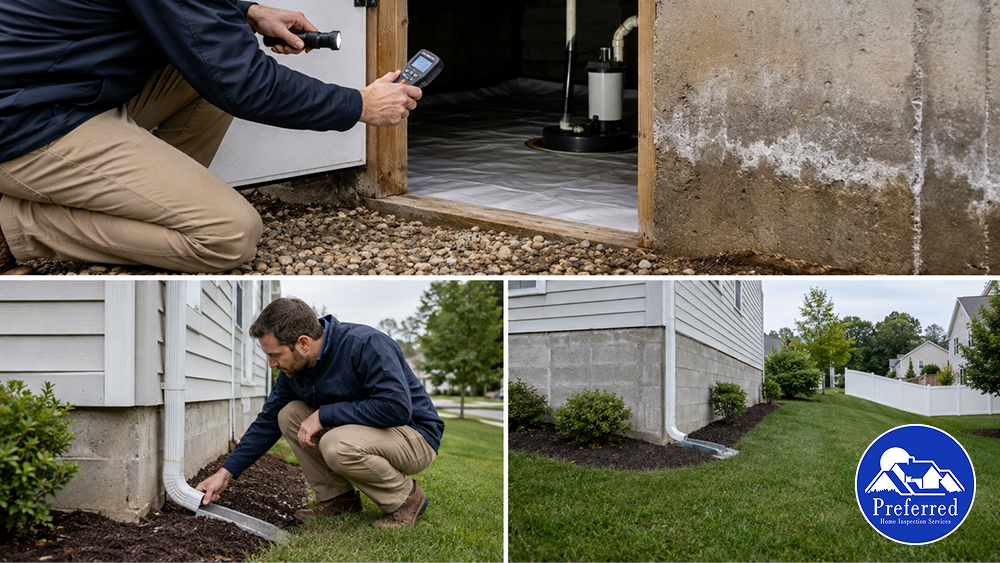
Technician inspecting crawl space moisture, drainage, and foundation conditions around a home.

2. Typical Delaware Home Repair Costs and Negotiation Ranges

Use this reference during your inspection contingency period. Actual costs vary by home size, age, and accessibility, so treat these as general planning estimates rather than formal quotes. For any repair estimated over $1,000, secure two to three written estimates from licensed Delaware contractors.

  • GFCI upgrades ($150-$400): Outlet safety conversions. Call a licensed electrician. Seller direct repair.
  • Plumbing leak repair ($200-$600): Pipe or fixture fixes. Call a licensed plumber. Seller direct repair.
  • Water heater replacement ($1,200-$2,500): Standard tank unit. Request closing credit.
  • Sump pump replacement ($450-$900): Primary pump installation. Direct repair or credit.
  • Crawlspace vapor barrier ($1,500-$8,000+): Moisture barrier or encapsulation. Ideal for seller credit.
  • Roof repair vs. replacement ($500-$12,000+): Spot patch vs. complete replacement. Request credit for replacement.
  • Electrical panel upgrade ($1,800-$3,500): Replacing outdated service panel. Credit or certified repair.
  • HVAC repair vs. replacement ($300-$10,000+): Component fix vs. system replacement. Request closing credit.
  • Mold remediation, basic ($1,000-$3,500): Contained attic or crawlspace cleanup. Require certified specialist.
  • Termite treatment ($800-$1,800): Soil treatment or bait stations. Standard seller coverage.
  • Radon mitigation ($1,200-$1,800): Sub-slab depressurization system. Standard seller fix.
  • Septic repair ($2,000-$15,000+): Component fix or drain field work. Major credit or repair.

In home inspection statistics for Delaware, the most common credit request items are aging water heaters, electrical panel upgrades, and crawlspace moisture remedies. Using local contractor estimates gives you the leverage needed to negotiate reasonable credits without stalling the transaction.

Need clarity before your Delaware inspection deadline?

Schedule a thorough Delaware home inspection and get a clear,
photo-documented report for your next steps.

Schedule Your Delaware Home Inspection

3. Structural Integrity and Foundation Findings

Structural issues carry the highest financial stakes in a transaction, though not every wall crack signals structural failure. In Delaware’s varied housing stock, structural notes appear in a meaningful share of property reports.

Typical findings include stair-step masonry cracks, sloping floors, bowed foundation walls, joist or beam concerns, and evidence of unverified prior repairs.

Red Flag vs. Monitor:

  • Monitor: Hairline vertical cracks under 1/8 inch in poured concrete or drywall generally indicate routine building settlement.
  • Red Flag: Horizontal cracking, stair-step brick separation, wall displacement, or movement tied to exterior water pooling.

As inspector Cortland Bradley explains on-site: “Cosmetic cracks stay on the surface, but true structural issues show physical displacement and tell a story about movement in the soil underneath.”

When active movement is suspected, request a qualified structural engineer evaluation and re-assess ground drainage around the foundation. For agents and sellers, structural uncertainty rapidly inflates buyer fear, making it a primary driver of major repair credit demands.

4. Roof Integrity and Attic Diagnostic Findings

A roof may look sound from the ground, but the attic reveals the complete story. Exterior defects like advanced shingle wear, damaged chimney flashing, and gutter issues often mask deeper structural concerns inside.

During an inspection, exterior defects translate into clear diagnostic signals in the attic:

  • Water staining on sheathing or rafters indicating active or past leaks
  • Inadequate ventilation trapping extreme heat and structural moisture
  • Improper bathroom fan termination venting humid air directly into the attic instead of outdoors
  • Compressed or missing insulation leading to substantial energy loss

Why it matters: Unaddressed leaks rarely stay isolated. Moisture quickly cascades into framing, destroys insulation, and triggers mold growth.

Request a professional roofer evaluation before closing if active leaks or widespread wear exist. Sellers should handle simple pre-list fixes, such as replacing missing shingles or correcting fan ducting, to avoid deal friction. Review photo-documented findings and severity priorities inside your report.
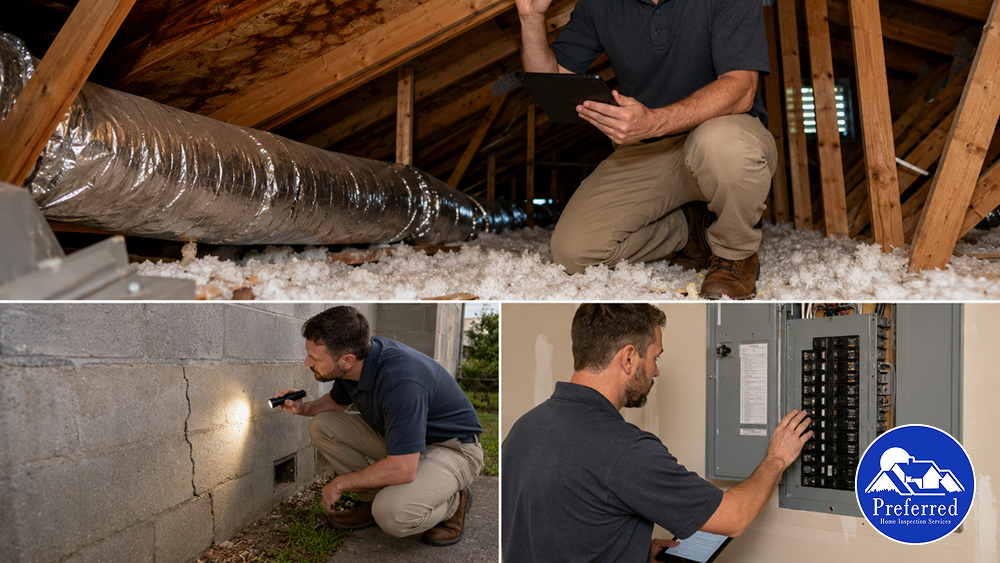
Home inspector checking attic moisture, foundation cracks, and an electrical panel.

5. Plumbing Deficiencies and Delaware Piping Risks

Minor plumbing drips often result in significant repair credits when hidden leaks mask costly structural rot. Inspectors routinely flag active pipe leaks, corroded copper, improper DIY fittings, stuck shutoff valves, and aging water heaters missing safety discharge pipes.

In Delaware developments built throughout the 1980s and 1990s, inspectors check specifically for polybutylene plumbing. Known for sudden micro-cracking and high failure rates, this grey plastic supply line should always be flagged to verify if present, as insurers often restrict coverage.

Next Steps for Buyers and Sellers:

  • Buyers: Have a plumber evaluate supply pipe materials and active leaks. Consider a sewer line scope as a common add-on if mature trees or older drain lines pose risks.
  • Sellers: Fix visible under-sink leaks and make sure the main water shutoff valve is clear and accessible before the inspector arrives.

6. Electrical Safety Findings and Panel Risks

Electrical issues frequently trigger buyer anxiety, yet most findings are straightforward fixes. Common defects include missing GFCI protection in wet areas, ungrounded outlets, open wire splices from DIY work, and double-tapped breakers inside the main panel.

Why it matters: Beyond shock and fire hazards, unaddressed electrical defects often create immediate friction with mortgage lenders and insurance providers before closing.

Next Steps and Seller Wins:

  • Distinguish simple fixes from major scopes: Replacing outlets or adding GFCI protection is routine and low-cost. Widespread defects, scorch marks, or outdated equipment require a licensed electrician evaluation to determine if a full panel replacement or service upgrade is needed.
  • Seller quick-wins: Replace missing cover plates, clearly label circuit breakers, and correct obvious DIY hazards before the inspector arrives.

7. HVAC Performance Issues and Critical Safety Indicators

An aging furnace or air conditioner often concerns home buyers, but end-of-life systems are standard operational findings across Delaware properties. The key is separating routine performance issues from true safety hazards that buyers must not ignore.

Common non-safety findings include:

  • Older units nearing the end of their operational lifespan
  • Deferred maintenance and inadequate airflow
  • Clogged condensate drainage lines and surface rust or corrosion

Safety risks demand immediate priority. Indications of carbon monoxide leaks or a suspected cracked heat exchanger require evaluation by a licensed HVAC contractor before closing.

Next Steps:

  • Buyers: Request past service history, schedule a specialist check for questionable systems, and negotiate closing credits using realistic replacement timelines.
  • Sellers: Change air filters, clear condensate drain lines, and leave recent service receipts out for the inspector.

Review how heating and cooling defects are photo-documented inside your report.

8. Mold Growth and Environmental Findings

Spotting mold on an inspection report causes unnecessary concern. Mold is primarily a moisture issue, not an automatic deal-breaker.

Inspectors frequently flag visible growth in crawlspaces or attics, musty odors, and staining on framing or insulation. Because mold requires water, fixing foundation drainage or roof ventilation stops growth at the source.

When to Hire a Specialist

Bring in a certified mold specialist or industrial hygienist if growth covers extensive areas, recurs after cleaning, or causes health concerns. Proper remediation follows three steps:

  • Eliminate the underlying moisture source
  • Remove contaminated materials
  • Verify air quality post-remediation

Seller Guidance

Never paint over mold. Fix the moisture problem directly, complete proper remediation, and provide documentation to buyers to prove the issue was handled correctly.

9. Termites and Wood-Destroying Insect Findings

Nothing stalls a Delaware real estate closing faster than an unexpected pest issue on a required WDI report. Common findings include active subterranean termites, carpenter ants, damaged or sistered floor joists, and damp timber.

Subterranean termites thrive in high-moisture environments, directly linking pest activity to the foundation and water issues covered in Section 1. WDI findings routinely trigger strict mortgage lender mandates, forcing immediate negotiations between buyers and sellers regarding treatment costs and structural repairs before closing.

Next Steps:

  • Schedule a dedicated termite inspection in Delaware when mud tubes or wood damage appear.
  • Eliminate moisture: Repair crawlspace dampness and plumbing leaks to make structural framing inhospitable to pests.
  • Seller prep: Eliminate direct wood-to-soil contact and move firewood or heavy mulch piles away from exterior foundation walls prior to inspection.

10. Radon Testing Findings and Mitigation Standards

Radon is invisible and odorless, yet ranks as the second leading cause of lung cancer in the United States. EPA mapping designates New Castle County as Zone 2 for moderate radon potential, while Kent and Sussex counties show lower predicted risk. Geographic maps cannot predict indoor gas levels, making testing necessary for every home.

During the inspection contingency, inspectors perform short-term testing to measure airborne concentrations against the EPA action threshold of 4.0 pCi/L. If results meet or exceed this guideline, a sub-slab depressurization system safely vents gas from beneath the foundation to above the roofline. A follow-up retest confirms the system lowered indoor levels.

During negotiations, sellers typically install the system prior to closing or provide a credit covering contractor installation. Whether scheduling a home inspection in Newark, DE or buying elsewhere in the state, schedule radon testing to protect your health and investment.

11. Septic System and Private Well Inspection Requirements

Rural properties in Kent and Sussex Counties frequently use on-site wastewater treatment and private wells. These systems introduce Delaware-specific regulatory mandates that generic inspection checklists miss.

The Delaware Department of Natural Resources and Environmental Control (DNREC) requires a certified Class H inspection prior to most property transfers. Properties with Innovative/Alternative (I/A) systems require inspectors with specialized certification. While a standard home inspector evaluates interior plumbing flow and fixtures, a licensed Class H inspector examines underground tanks, checks drain field health, and reviews maintenance and pumping records for evidence of failure.

For private wells, arrange dedicated water testing for coliform bacteria, nitrates, lead, and local contaminants.

Next Steps:

  • Order early: Schedule Class H inspections immediately upon entering contract to prevent closing delays.
  • Test well water: Include comprehensive water testing during your contingency period.
  • Understand scope: A standard home inspection covers visual systems, while septic evaluations require separate specialist timelines.

12. Suspected Asbestos and Legacy Environmental Hazards

Finding “suspected asbestos” on an inspection report causes immediate concern, but visual observation alone cannot confirm its presence.

Inspectors flag suspect materials in common legacy areas, including pipe insulation, textured acoustic ceilings, and vinyl floor tiles, particularly when materials show damage or improper disturbance. Because visual identification is not lab confirmation, buyers should never attempt DIY sampling or disturb suspect materials.

Next Steps and Negotiations:

  • Hire a specialist: Call a certified testing or abatement firm before starting renovations or if materials are friable (easily crumbled) and deteriorating.
  • Leverage your report: Request seller repair credits or professional remediation based on the material’s condition, location, and potential exposure risk.

Older Delaware housing stock may also present lead-based paint or legacy underground storage tanks, both requiring separate specialist evaluations. Review how “suspected material” language is documented inside your report to navigate negotiations with confidence.

How to Turn Your Delaware Inspection Report into an Action Plan

Long inspection reports easily overwhelm buyers. Your main goal is to separate safety hazards and active damage from routine maintenance. Follow this step-by-step workflow to process common home inspection findings in Delaware and navigate your contingency period with confidence.

1. Triage Summary Findings and Photos

Start with the summary page and photo logs inside your report. Review high-priority items first to gain visual context before reading the detailed system evaluations.

2. Categorize the Defects

Group all findings into five distinct categories: Safety, Water, Structural, Environmental, and Systems. Sorting issues this way keeps minor maintenance items from clouding major ones.

3. Order Specialty Inspections Immediately

Schedule time-sensitive add-on inspections right away if relevant to the property. This includes radon testing, termite (WDI) evaluations, well water testing, or Class H septic inspections.

4. Obtain Fast Contractor Estimates

For any defect likely costing over $1,000, secure two to three written quotes from licensed Delaware contractors. Fast estimates establish accurate market pricing for negotiations.

5. Build a Targeted Repair Request

Draft your request focusing strictly on major defects, safety risks, and active leaks. Exclude minor cosmetic updates to keep your negotiation strong and reasonable.

6. Strategic Repair Requests vs. Closing Credits

Request financial closing credits for major structural or HVAC work so you retain control over contractor selection and repair quality. Request direct seller repairs for simple fixes, such as replacing a faulty breaker or installing GFCI outlets.

7. Confirm Deadlines, Authorize Testing, and Verify Work

  • Track contract deadlines: Standard Delaware real estate contracts specify strict windows for report delivery and seller responses. Always confirm these target dates with your agent or attorney.
  • Handle invasive testing correctly: Inspections must not damage property without seller consent. Get written authorization before conducting invasive moisture tests, such as EIFS synthetic stucco evaluations.
  • Document agreements and re-inspect: Put all final repair agreements in writing. Schedule a formal re-inspection before settlement to confirm repairs met agreed standards.

Explore our residential home inspections, see what happens on-site during your inspection, or contact us to schedule your Delaware home inspection today.

Schedule Your Delaware Home Inspection

Frequently Asked Questions

What are the most common home inspection problems in Delaware?

Across the state, the five most frequent common home inspection findings in Delaware include:

  • Lower-level moisture intrusion: Damp crawlspaces, unsealed vapor barriers, and failing sump pumps.
  • Roof and attic defects: Damaged shingles, flashing leaks, and improper exhaust ventilation.
  • Electrical hazards: Missing GFCI outlets, open splices, and outdated service panels.
  • Plumbing deficiencies: Active leaks, corroded supply lines, and polybutylene piping.
  • HVAC system issues: Deferred maintenance, clogged lines, and aging heating units.

Across recent Delaware inspections, crawlspace moisture issues are frequently flagged, with structural concerns noted less often but still regularly.

What are the biggest home inspection red flags that can kill a deal?

The most critical red flags uncovered during property inspections include:

  • Active foundation and structural movement
  • Severe, ongoing water intrusion and mold growth
  • Major electrical safety risks and hazardous wiring
  • Complete roof system failure
  • Failed Class H septic inspections

Not every major finding is an automatic deal-breaker. Most issues can be resolved once buyers and sellers clarify repair scope, contractor costs, and structural risks during contract negotiations.

Do home inspections pass or fail in Delaware?

No. Home inspections in Delaware do not give a property a pass or fail grade.

  • The primary goal of an inspection is to document current physical conditions, safety hazards, and system risks.
  • Although the inspector does not issue a pass or fail score, mortgage lenders or insurance companies may still require specific repairs before approving financing or coverage.

Do I need a radon test in Delaware if my county is low risk?

Yes. You should always test the specific home you plan to buy.

  • Geographic risk zones indicate regional averages, not house-specific gas levels. High radon readings occur in homes across all Delaware counties regardless of local zone designations.
  • If radon tests exceed the 4.0 pCi/L threshold, standard real estate negotiations typically result in seller-installed mitigation systems or financial credits at closing.

How much does a home inspection cost in Delaware?

Standard property evaluations in Delaware start at $425, depending on property size and age.

  • Comprehensive residential home inspections cover the foundation, roof, plumbing, electrical, HVAC systems, and built-in appliances.
  • To request pricing for your property, contact us to get started.

Newark-area buyers: schedule a home inspection in Newark, DE for local service coverage.

Get Your Free Home Inspection Estimate

Call Us: (302) 475-4437