
The Importance of Home Inspections: A Complete Guide
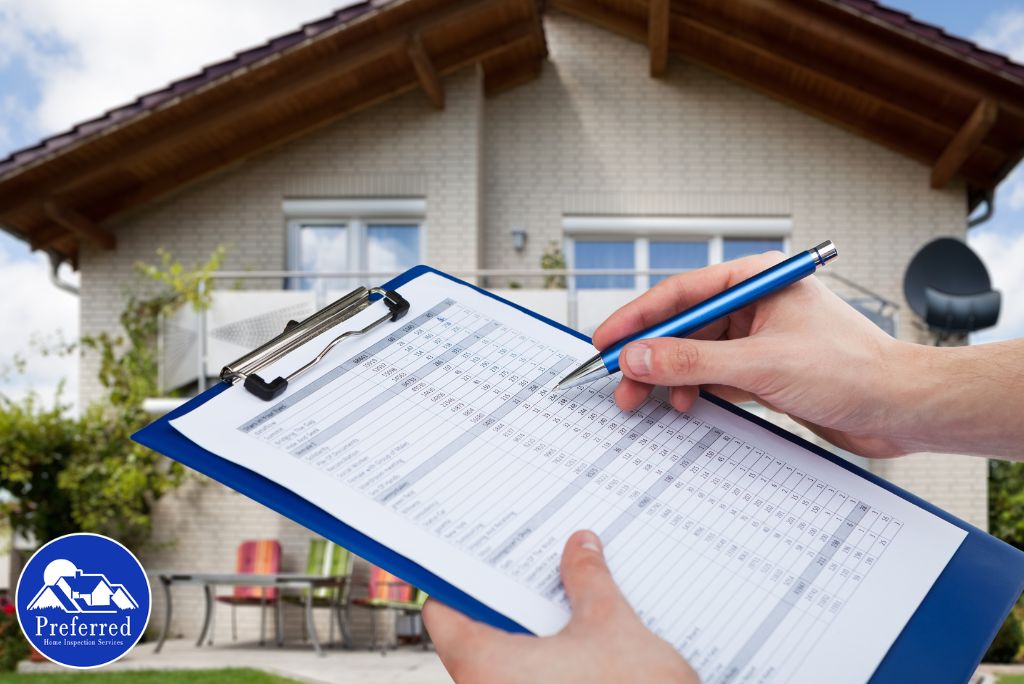
One step can stop a “great-looking” home from becoming a five-figure surprise: a professional home inspection. The importance of home inspections goes beyond curb appeal — a qualified inspector surfaces hidden defects before you are locked into a contract, giving you a clear picture of what you are actually buying.
For buyers, this provides essential due diligence and a strong negotiating lever. For sellers, it delivers pre-listing certainty that prevents deals from falling apart at the last minute. For investors, a thorough inspection is the only reliable way to plan for future capital expenditures.
This guide explains what a standard inspection covers and where the reporting boundaries lie. You will learn how to identify high-ROI moments for negotiation and repair planning, plus when to add specialized services like radon testing, termite (WDI) inspections, or sewer scopes to your protection plan.
Understanding the Limits: What Your Inspection Actually Covers
Contrary to popular belief, a home inspection is not a guarantee that your house is defect-free or that the HVAC won’t fail next year. It is a visual, non-invasive assessment of accessible areas at a specific point in time. The primary importance of home inspections lies in identifying material defects — issues that significantly impact safety, structural integrity, or the operation of expensive systems.
Because the process is non-destructive, inspectors do not open walls or dismantle equipment. If a roof is snow-covered or a basement is blocked by heavy boxes, those areas remain inaccessible. Think of your report as a professional risk-management tool designed to inform your purchase decision, not a future-proof warranty.
With expectations set, here is a look at what a standard inspection scope typically includes.

Standard Home Inspection: What’s Included and What’s Excluded
A standard inspection provides a visual assessment of the home’s major systems and physical structure. Our residential home inspections follow a rigorous protocol to document core property health.
The Standard Inspection Covers:
- Roof and Attic: Shingles, flashing, vents, and visible insulation.
- Electrical: Main panels, breakers, and a sampling of outlets and switches.
- Plumbing: Visible supply lines, drains, and the water heater.
- HVAC: Heating and cooling equipment (operational checks performed as weather conditions allow).
- Surfaces: Doors, windows, and walls, plus exterior grading and drainage.
- Structure: Visible foundation, basement, and crawlspace.
Common Exclusions:
Standard inspections exclude radon, mold, and termite (WDI) tests unless ordered separately. They also cannot identify defects hidden behind finished walls. Confirm the scope in writing before hiring. If you are buying an older home in Wilmington or Middletown, adding a sewer scope or radon test addresses the most common local risks.
The Financial Power of Home Inspections: ROI and Negotiation Leverage
While only 7% to 15% of real estate deals fall through entirely, a significant majority are successfully renegotiated based on professional findings. The true importance of home inspections lies in their ability to translate physical defects into objective dollar outcomes before you reach the closing table.
Three common financial paths follow an inspection:
- Direct Repairs: The best route for immediate safety hazards, such as faulty electrical panels or active plumbing leaks.
- Closing Credits: Ideal for large, non-urgent items like an aging roof — this lets you control repair quality after move-in.
- The Exit: The inspection contingency acts as a legal off-ramp if the structural or financial risk exceeds your comfort level.
Waiving an inspection transfers 100% of the financial risk to the buyer. You own every hidden defect the moment you sign. A safer middle ground is an “informational-only” inspection, which preserves your right to walk away while signaling to the seller that you will not nitpick minor repairs.
The ROI is often immediate. A sewer scope typically costs $150 to $300, yet it can identify line collapses that cost $15,000 to replace. For investors, these reports function as a capital expenditure forecast, turning unknown risks into predictable line items.
Beyond the Price Tag: Identifying Hidden Safety Hazards
A beautiful home can hide dangerous secrets. A freshly painted basement might conceal an outdated electrical panel known for fire risks. While many view the importance of home inspections primarily as a negotiation tool, the primary goal is identifying hazards before they become emergencies.
Our inspectors evaluate several high-stakes categories:
- Electrical Safety: Identifying overloaded panels and missing GFCI protection in kitchens and bathrooms.
- Combustion Risks: Detecting improper gas venting or unsafe appliances that pose carbon monoxide risks.
- Structural Moisture: Spotting moisture intrusion or poor ventilation in attics and crawlspaces that triggers wood rot, pests, or mold.
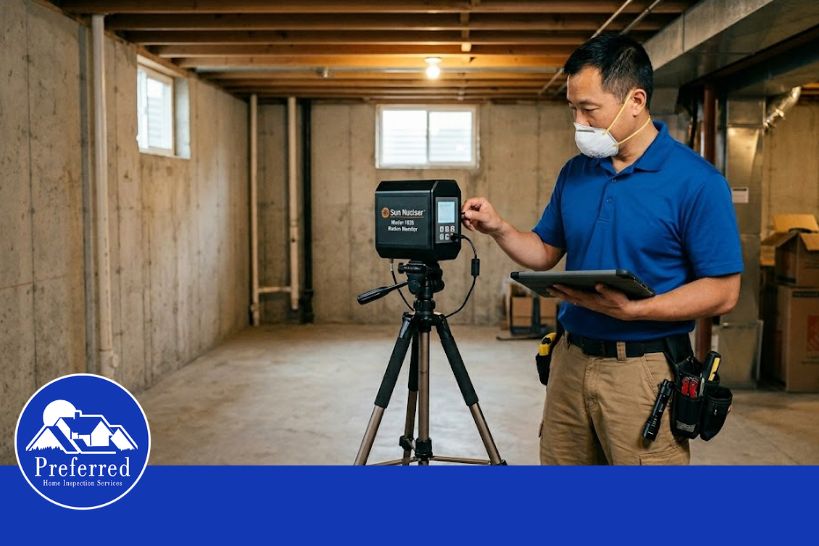
Radon testing is also a smart health screening to add. The CDC reports that radon is the second leading cause of lung cancer in the U.S. At $130, it is one of the lowest-cost protections available for your family’s long-term safety.
When to Use Specialized Inspection Add-Ons
A general assessment builds the foundation of your understanding, but the most expensive repairs often hide where a visual check cannot reach. Add-ons provide targeted data for specific structural or health risks.
- Radon Testing ($130): Important for Delaware homes where this odorless gas is the second leading cause of lung cancer. It measures current levels but cannot predict future shifts.
- Termite/WDI ($95): Required by many lenders for wood-framed structures. This service flags active infestations but cannot see inside solid structural beams.
- Sewer Scope: Worth adding for homes over 20 years old or properties near mature trees. It reveals underground line collapses that standard plumbing tests miss.
- Thermal Imaging: Identifies hidden moisture intrusion or insulation gaps without opening walls.
Preferred Home Inspections draws on 30 years of local experience to help you prioritize these services based on visible red flags and property age.
Your Inspection Action Playbook
How do you turn a 40-page technical document into a clear plan? Start by scheduling early in the contingency window so there is time for specialist follow-ups. Confirm add-ons like radon or termite testing upfront. Attend the walkthrough if possible — it is the best time to see what happens during an inspection firsthand and ask your inspector to point out main shutoffs and distinguish between “fix now” and “monitor later” items.
After the visit, triage your digital report into three tiers: (A) immediate safety hazards, (B) major systems like HVAC or roofing, and (C) general maintenance. Understanding your report — with its photos and prioritized summaries — reduces confusion and lets you request accurate repair estimates to negotiate based on objective data.
Using Your Inspection Report for a Smarter Real Estate Deal
An inspection report is a financial instrument, not just a list of flaws. Whether you are buying a home in Newark or selling a farmhouse in Chadds Ford, you can convert physical findings into negotiation power or budget certainty.
- Buyers: Protect your downside. Prioritize safety and major system health over cosmetic fixes to keep the deal moving without inheriting a money pit.
- Sellers: Gain pre-list certainty. Identifying and addressing high-impact issues early prevents aggressive last-minute price drops and builds immediate buyer trust.
- Investors: Use the report as a professional capital expenditure underwriting tool. Categorize “monitor later” items to build an accurate five-year maintenance and cash-flow model.
Your Five-Step Action Plan:
- Confirm the inspection scope and exclusions in writing before the appointment.
- Add specialized tests — radon or termite — based on property age and local risks.
- Attend the walkthrough or schedule a phone debrief for professional context on major findings.
- Gather repair estimates for high-priority items to fuel price negotiations or credits.
- Save the photo-rich report as your long-term home maintenance roadmap.
Frequently Asked Questions
What does a home inspection cover in plain English?
A standard home inspection covers the major visible systems and structural components of a house, including the roof, foundation, electrical panels, visible plumbing, and the heating and cooling systems. The inspector evaluates these areas to identify safety hazards or material defects that could be expensive to fix. Because the work is entirely visual, the inspector only examines accessible areas and will not move heavy furniture or cut into walls.
What is not included in a standard home inspection?
Standard inspections typically exclude specialized testing for radon gas, mold, wood-destroying insects like termites, and sewer line conditions. They also do not cover aesthetic issues, concealed defects behind finished walls, or underground systems like septic tanks. Preferred Home Inspections offers these evaluations as add-on services. Request specific tests like radon or termite inspections if the property’s age or location suggests a higher risk.
Do I need a home inspection if the house is move-in ready?
Yes. Even a house that looks perfect can have hidden, high-cost issues like cracked heat exchangers, outdated wiring, or structural moisture in the attic. Fresh paint and new flooring often mask problems that only a professional eye can spot. An inspection provides a risk-reduction plan and helps you understand the remaining lifespan of expensive mechanical systems.
Is it ever a good idea to waive the home inspection contingency?
Waiving the inspection contingency is generally discouraged because it transfers 100 percent of the financial risk for hidden defects to the buyer. In competitive markets, a safer alternative is requesting an “informational-only” inspection or a shorter contingency window. Both let you understand the home’s true condition while preserving the right to walk away if major structural or safety issues turn up.
Do new construction homes need inspections too?
New construction homes need inspections because workmanship errors, missing insulation, and improper system installations happen regularly during fast-paced builds. Smart buyers schedule a “pre-drywall” inspection to see the framing and electrical work, then a final inspection before closing. Book an “11-month warranty” inspection to catch settling issues or system failures before the builder’s one-year coverage expires.
How long does a home inspection take and when do I get the report?
Most home inspections take two to four hours depending on the property’s size, age, and complexity. Larger or older homes require more time to evaluate crawlspaces and aging mechanical systems. Preferred Home Inspections delivers a detailed, photo-rich digital report via Spectora within 24 hours of the site visit. Always confirm the turnaround time with your inspector to meet your contract negotiation deadlines.
Ready for a thorough, plain-English inspection and a photo-rich report?


Leave a Reply
Want to join the discussion?Feel free to contribute!