Will the home inspection kill the deal — or save you from a money pit? For buyers and sellers in Delaware and Southeastern Pennsylvania, treating home inspection statistics as decision tools (rather than trivia) makes the real estate process far more predictable. These insights help you budget for repairs and negotiate credits with logic instead of emotion. Preferred Home Inspections has evaluated over 10,000 properties since 1994, giving us a seasoned local perspective on the structural and safety issues that actually matter. This guide covers current inspection and waiver rates, the most common defects found in local homes, and how those findings affect final sale prices.
Is Everyone Really Waiving the Inspection Contingency?
Are 100% of buyers really skipping inspections? Recent home inspection statistics say no. According to the September 2024 NAR REALTORS® Confidence Index, only 18% of buyers waived their inspection contingency — far fewer than headlines suggest.
There’s an important distinction to make here:
- Waiving the contingency: Offering ‘informational only’ terms to strengthen your offer without giving up the inspection itself.
- Skipping the inspection: Foregoing due diligence entirely — a high-risk move that leaves buyers exposed to costly surprises.
Zillow’s 2025 data shows that while sellers receive waiver offers, most accepted contracts still include inspection contingencies. Delaware buyers often win by proposing five-day timelines rather than flying blind.
Practical tip: Keep your safety net by proposing a shortened timeline or a ‘major defects only’ clause rather than waiving outright.
See what a standard inspection covers
The Pass/Fail Myth: Understanding Home Inspection Statistics
According to home inspection statistics from Porch.com, 86% of inspections identify at least one issue requiring attention. A lengthy report is rarely a sign of a ‘lemon.’ Homes don’t pass or fail like a school test. Professional reports categorize findings into three tiers: safety hazards, necessary repairs, and routine maintenance.
Most items reflect normal wear or updated building codes — not structural neglect. A missing GFCI outlet is a common, low-cost safety fix. A roof leak is a high-priority repair. In older Wilmington or Chadds Ford homes, expect maintenance items. In newer builds, expect installation finish issues. Understanding these tiers helps you rank findings without panic.
7 Most Common Findings in Home Inspection Statistics
Data from Porch and Redfin suggests nearly 20% of sales involve repairs tied to a specific shortlist of defects. In Delaware and Southeastern Pennsylvania, these seven categories dominate inspection reports:
- Roofing: Aging materials or failing chimney and valley flashing.
- Electrical: DIY wiring and outdated panels lacking GFCI/AFCI protection.
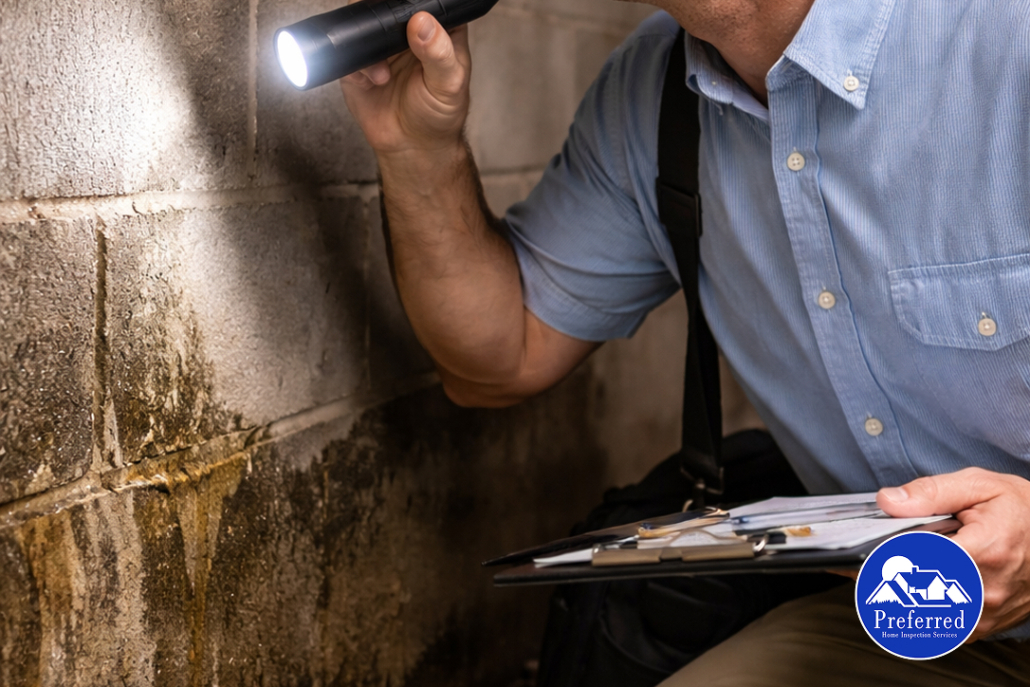
- Plumbing/Moisture: Small, persistent leaks causing hidden rot or mold.
- Drainage/Grading: Improper soil slope — the primary negotiation trigger for regional basements.
- HVAC: End-of-life components or skipped annual maintenance.
- Windows/Doors: Improper installation or blown thermal seals.
- Pests: Wood-destroying insect (WDI) activity like termites.
Moisture control is the hidden multiplier in our humid climate. Left unchecked, it often escalates into expensive structural damage. To get the most from your inspection, make sure the inspector has clear access to the attic, crawlspace, and electrical panel. Sharing known roof service history also gives the buyer useful context.
Negotiating Your Way to a $14,000 Saving
Homebuyers who negotiate based on inspection findings save an average of $14,000 off the original asking price, according to Porch data. That leverage can make a meaningful difference — but home inspection statistics from the NAR Realtors Confidence Index also show that 20% of contracts face settlement delays and 5% are terminated due to inspection friction.
To keep your deal moving without sacrificing your budget, follow this negotiation playbook:
- Ask for repairs on immediate safety hazards, active water leaks, or non-functioning major systems.
- Ask for credits when there’s scope uncertainty, tight scheduling, or when you want to control contractor quality yourself.
- Ask for specialist evaluations if the report flags hidden failure modes — such as suspected sewer line issues or structural movement.
An inspection rarely kills a deal. Friction usually comes from unclear requests or missing cost estimates. For a photo-rich digital report that simplifies your negotiation strategy, call Preferred Home Inspections at (302) 475-4437.
Call (302) 475-4437 for Same-Day Scheduling
Beyond the Visual: Using ROI Logic for Inspection Add-Ons
Is saving $130 on an inspection add-on worth risking a $15,000 repair? Standard residential inspections are strictly visual and non-invasive. They can’t detect odorless radon gas, buried sewer collapses, or termite colonies hidden behind drywall.
Apply this ROI rule when choosing add-ons: if the potential repair cost is high but the test fee is low, get the test. In Delaware, radon testing ($130) and termite inspections (starting at $95) are worth it because these risks are regionally prevalent. Delaware’s humidity and soil conditions call for this specialized expertise.
How to Use Home Inspection Statistics to Your Advantage
Home inspection statistics confirm that finding defects is normal — not alarming. Instead of reacting with concern, use this three-part framework to turn your report into a strategic negotiation plan:
- Expect findings. Nearly every home has defects. View the report as a data-driven baseline for the property’s actual condition.
- Prioritize severity. Rank findings by safety risks first, then active damage, then remaining lifespan of major systems.
- Negotiate with evidence. Use professional contractor quotes to justify repair credits rather than focusing on minor cosmetic fixes.
In Delaware and Southeastern Pennsylvania, moisture and drainage issues appear in a significant share of reports. Always budget time for specialists if these regional flags appear. Preferred Home Inspections has been helping buyers and sellers make data-driven decisions since 1994 — with over 10,000 inspections completed across the region.
Schedule Your Inspection Today
Frequently Asked Questions
What are the most common home inspection problems?
Roofing wear, outdated electrical systems, plumbing leaks, and poor exterior drainage top the list. These problems often hide in plain sight or result from long-term deferred maintenance. Moisture intrusion is particularly common in Delaware due to regional humidity and soil conditions. Catching these issues early — before you close — can save thousands in repair costs.
Do home inspectors always find something wrong?
Yes — it’s nearly universal for an inspector to find at least one issue, even in brand-new construction. Reports aren’t graded on a pass or fail basis. They serve as a detailed health check of the property. Most findings fall into severity tiers, from minor maintenance items to major safety hazards. Understanding those tiers helps buyers separate a significant defect from routine upkeep.
How much does a home inspection cost in Delaware?
A standard residential home inspection at Preferred Home Inspections starts at $425. Costs vary by square footage, age, and location. Specialized services like radon testing ($130) or termite inspections (starting at $95) add to the total — and are often worth it given Delaware’s climate and regional risk factors.
Is it ever smart to waive the inspection contingency?
Waiving outright is high-risk and can lead to thousands in unexpected repair bills. Instead, many buyers use a shortened timeline or an informational-only inspection to stay competitive without losing protection. This approach lets you understand the home’s true condition without making the sale contingent on minor repairs — while still guarding against catastrophic structural issues.
Should I ask for repairs or a credit after the inspection?
Ask for repairs on major safety hazards or active leaks. Credits work better for aging systems or non-critical issues — they let you choose your own licensed contractor and make sure the work meets your standards after closing. Always base your request on professional estimates rather than guesses.