
How to Prevent Termite Damage in Your Home
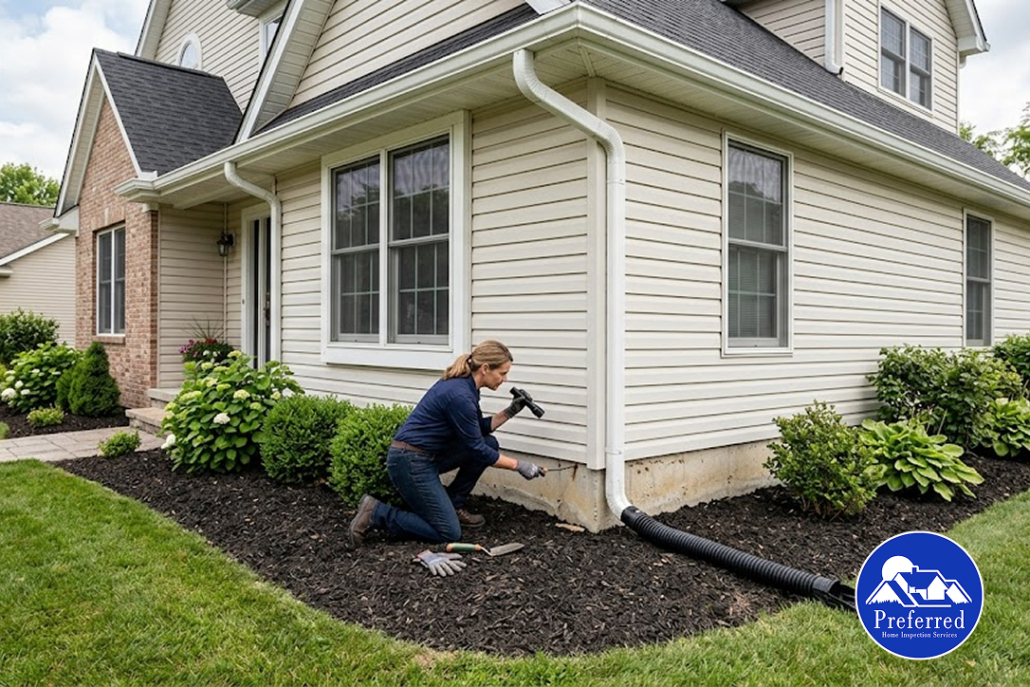
Preventing termite damage starts long before you see visible signs like soft wood or blistering drywall. In most cases, termites are drawn in by excess moisture and easy access points, which makes early prevention one of the best ways to protect your home.
This guide explains how to prevent termite damage by reducing common risk factors, correcting common misconceptions, and knowing when professional help is needed. It also covers pretreatment options for new construction and the warning signs that can point to a developing infestation.
Schedule Your Termite Inspection
Match Your Prevention Strategy to the Termite Species
Did you know that treating your soil won’t stop termites that fly directly into your attic? Knowing how to prevent termite damage effectively requires matching your strategy to the specific species targeting your property.
- Subterranean Termites: Living in soil, these pests build mud tubes and thrive on moisture.
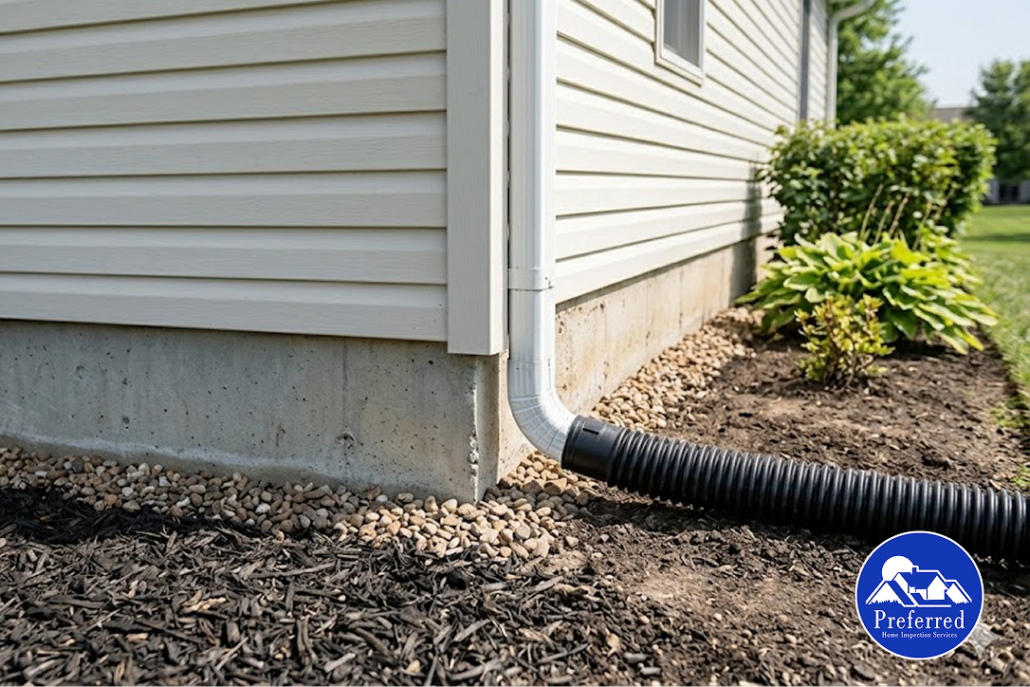
- The Fix: Maintain a 6-inch soil-to-wood gap and divert gutters 3 feet from the foundation to keep the perimeter dry.
- Drywood Termites: These enter through rooflines and live entirely inside dry wood members.
- The Fix: Seal eaves with caulk and keep all exterior wood painted or stained to block entry.
If you are unsure which threat you face, address moisture today and schedule a professional termite inspection for confirmation.
How to Prevent Termite Damage: A Prioritized Checklist
Finding a mud tube on your foundation often traces back to a missing $10 downspout extension. Termites follow moisture and concealed access rather than appearing by chance. This is how to prevent termites and prevent termite damage by removing the conditions they need to survive.
Use this prioritized list to harden your home:
- Fix Moisture (Highest ROI): Repair leaking spigots and make sure AC lines discharge three feet from the slab.
- Improve Drainage: Grade soil away from the house to prevent water pooling near foundation walls.
- Eliminate Wood-to-Soil Contact: Siding and deck posts should never touch dirt. Use concrete piers or metal anchors.
- Maintain Inspection Gaps: Keep six inches of foundation clear of mulch to spot mud tubes easily.
- Store Wood Properly: Keep firewood 20 feet from the structure and elevated.
Avoid “termite-proof” mulch gimmicks. Focus on perimeter dryness to make your property less attractive to foraging colonies. Specific maintenance reduces the likelihood that a colony identifies your foundation as a viable entry point.
When to Call a Pro: Choosing Your Termite Defense
Knowing when to move from DIY prevention to professional treatment can help protect your home from expensive termite damage. It is time to call an expert right away if you notice:
- Mud tubes on foundation walls
- Swarming insects near your home
- Frass, which looks like small sawdust-like pellets
- Wood that sounds hollow when tapped
A professional termite inspection gives you a closer look at structural areas where damage may be developing. It can also create a documented baseline of your home’s condition, especially when included as part of a residential inspection.
Professional termite protection often includes:
- Liquid soil barriers for immediate protection
- Baiting stations for long-term colony control
Subterranean termites, which are common in Delaware and Southeastern Pennsylvania, usually require soil-based treatment methods. Before signing a termite contract, it is also important to understand that many termite bonds cover re-treatment but not structural repairs. Since homeowners insurance often does not cover termite damage, regular professional inspections can be one of the best ways to protect your investment.
Building It Right: The Two-Layer Strategy for Termite Pretreatment
Subterranean termites cause $5 billion in U.S. property damage annually. Knowing how to prevent termite damage starts with termite pretreatment — protection installed before the foundation is poured. A professional strategy requires both a chemical soil pretreatment and physical barriers like mesh or collars at plumbing penetrations. These systems typically fail at unsealed gaps or overlaps, making quality control during installation essential. Developers should provide an as-built protection sheet to prevent future landscaping or drilling from breaching these barriers. Schedule a home maintenance inspection in Delaware to make sure soil bridging or moisture doesn’t undermine your pretreatment.

A 4-Week Action Plan to Prevent Termite Damage
Termite prevention is most effective when you prioritize the primary drivers of infestation: moisture, direct wood-to-soil contact, and hidden structural bridges. Since insurance rarely covers termite damage, implementing a systematic defense over the next month protects both your structure and your equity.
Week 1 (Immediate DIY): Focus on the perimeter. Repair pipe leaks and make sure downspouts discharge at least three feet from the foundation. Eliminate wood-to-soil contact on deck posts or lattice and clear mulch build-up to maintain a six-inch inspection gap below your siding.
Weeks 2–3 (Verification): Conduct a focused walk-around of your crawlspace, basement, and exterior walls. Search for mud tubes, sawdust-like frass, or blistering paint. If you are buying a home or lack a recent record of your home’s condition, schedule a Wood-Destroying Insect (WDI) inspection to establish a professional baseline.
Week 4 (Long-term Defense): If signs of activity exist, consult a professional regarding liquid barriers or baiting systems. Set a seasonal reminder for moisture checks and an annual perimeter review.
Call (302) 475-4437 for a Free Inspection
Frequently Asked Questions About Termite Prevention
What deters termites the most — are there natural deterrents that work?
Dryness, a lack of wood-to-soil contact, and clear inspection gaps are the most effective deterrents. While some suggest cedar mulch or orange oil, these natural options are rarely reliable as a primary defense for your home. Termites are incredibly persistent and can often bypass aromatic wood or topical oils. Focusing on physical barriers and moisture control provides a much more solid shield for your foundation.
How can I prevent termites if my house has a crawlspace or basement?
Prevention in crawlspaces and basements centers on aggressive moisture control through proper ventilation or dehumidification. You must also make sure that sill plates and rim joists remain accessible for visual inspection to spot mud tubes early. Keep all storage boxes and wood debris away from interior foundation walls. Any plumbing leak above must be repaired immediately to prevent dampening the wood structures below.
Do I need termite pretreatment for new construction?
Yes, termite pretreatment is essential in high-risk areas and is easiest to install before the slab or foundation is finished. This typically involves a chemical soil treatment combined with physical barriers, such as mesh or collars, at plumbing penetrations. Always ask your builder for documentation on exactly what was installed and where the treatment was applied. This record is vital for maintaining future warranties and knowing where barriers might be breached during landscaping.
How often should I get a termite inspection?
Homeowners should schedule a professional termite inspection at least once a year as a baseline. You should also request an inspection after major renovations, significant drainage changes, or severe moisture events like basement flooding. Ongoing prevention pairs well with a periodic home maintenance inspection to make sure your property’s defenses haven’t been compromised by shifting soil or aging seals.
What is a termite bond, and does homeowners insurance cover termite damage?
A termite bond is a service agreement with a pest company that usually covers re-treatment, though many exclude the cost of structural repairs. Most standard homeowners insurance policies do not cover termite damage because it is classified as preventable maintenance. Read the fine print of any bond carefully to understand what specific areas or species are excluded. Relying on insurance for a future infestation often leads to expensive out-of-pocket costs.
If I had termites treated, what prevents them from coming back?
Successful treatment does not provide permanent immunity, so maintaining moisture control and soil clearance is necessary to prevent a return. Chemical barriers also degrade over several years, requiring periodic re-application to remain effective. Annual inspections are the best way to catch a reinfestation before the colony can cause significant structural harm. Never disturb the treated soil zone or add mulch that bridges the gap between the ground and your siding.
Protecting your home from termites comes down to consistent moisture control, eliminating wood-to-soil contact, and staying ahead of problems with regular inspections. When in doubt, a professional WDI inspection gives you a clear picture of your property’s risk and a documented baseline for the future.


Leave a Reply
Want to join the discussion?Feel free to contribute!